


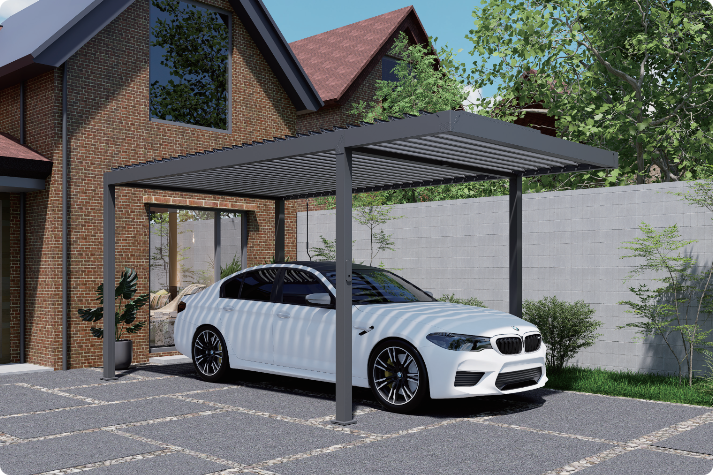
¿Alguna vez te has parado a pensar por qué esa reforma del jardín trasero en la que te gastaste una fortuna acaba quedando sin usar solo porque “hace demasiado calor” o “de repente empieza a llover”? ¿Alguna vez has tenido ese momento de inspiración en el que te das cuenta de que no solo necesitas un jardín, sino un espacio al aire libre que realmente puedas uso?
Solía dar vueltas a este tema constantemente. Pero el año pasado vi una pérgola de aluminio con lamas en color negro mate en casa de un amigo y, en ese mismo instante, supe que los días de los cenadores tradicionales de madera tratada a presión probablemente habían llegado a su fin. Aun así, a la hora de planificar mi propia casa, no pude evitar preguntarme: esto cuesta miles, si no decenas de miles, de dólares. ¿De verdad merece la pena todo este revuelo?
En esta entrada, voy a dejar de lado la palabrería de marketing. Basándome en mi experiencia real y en las especificaciones del sector, te ofrezco una guía completa: desde las ventajas y desventajas reales hasta cómo evitar las trampas más comunes a la hora de comprar. Esto es exactamente lo que vamos a tratar:
- En qué aspectos destaca con creces y dónde se encuentran los posibles “inconvenientes”.
- Cómo elegir la configuración adecuada para tu estilo de vida concreto, para que no te arrepientas más adelante.
- Las especificaciones técnicas (como el grosor del metal y las características del motor) son las que realmente determinan su vida útil.
- Las preguntas más frecuentes que tú necesidad para aclarar las cosas antes de dar el paso.
El concepto fundamental: impermeabilización frente a control
La clave aquí es encontrar el equilibrio perfecto entre durabilidad y flexibilidad para las estructuras exteriores. La madera tiene un aspecto estupendo, pero requiere muchísimo mantenimiento; la lona es barata, pero se pudre rápidamente. Una pérgola de lamas de aluminio intenta dar con ese punto ideal entre ser tan resistente como un tanque y ser súper versátil. Este es el desglose:
- El material determina la vida útil: Los modelos Premium están fabricados en aluminio 6063-T5 de calidad aeronáutica con un recubrimiento antioxidante integrado. No se oxida, no se pudre ni se agrieta, y puede durar fácilmente más de 20 años en condiciones normales, a diferencia de la madera, que necesita una nueva capa de pintura o barniz cada dos o tres años.
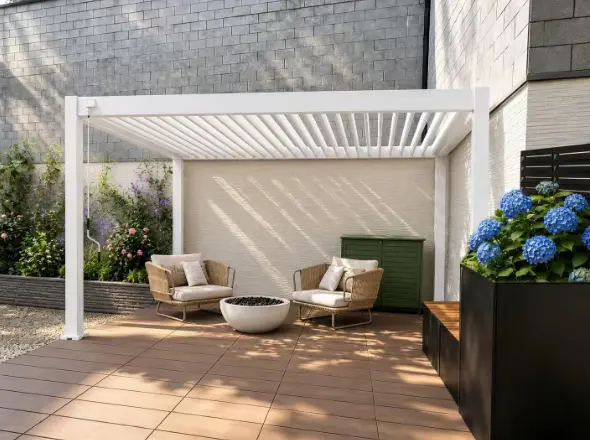
- Las rejillas son las que marcan la diferencia: Las lamas se pueden ajustar entre 0 y 135 grados. Tanto si quieres sol a raudales, una brisa agradable o protección total contra la lluvia, todo se controla con solo pulsar un botón o mediante el mando a distancia. Cuando están cerradas, los canalones integrados conducen el agua hacia los postes y la expulsan por la parte inferior, manteniendo todo lo que hay sobre 95% seco.
- Sin mantenimiento: No hay que preocuparse por las termitas ni por los tratamientos químicos: si se ensucia, basta con limpiarlo con una manguera. Es, sin duda, un complemento para tu hogar del tipo “instálalo y olvídate”.
- Pero es una inversión importante: Los modelos básicos cuestan a partir de unos pocos miles de dólares, y los sistemas motorizados de gama alta suelen oscilar entre $3.500 y $6.000+.
Donde realmente destaca: los mejores casos de uso
Mira, esta pérgola no es la panacea, pero sin duda destaca en estos casos concretos:
- Jardines y patios de las zonas residenciales: Esta es la configuración clásica. Colócala en el jardín o en la terraza, añade un sofá de exterior y ya tendrás sombra durante el día y protección contra el rocío por la noche. Incluso cuando llovizna, puedes sentarte ahí fuera y escuchar la lluvia sin mojarte. Es mucho más práctica que un techo fijo y sólido.
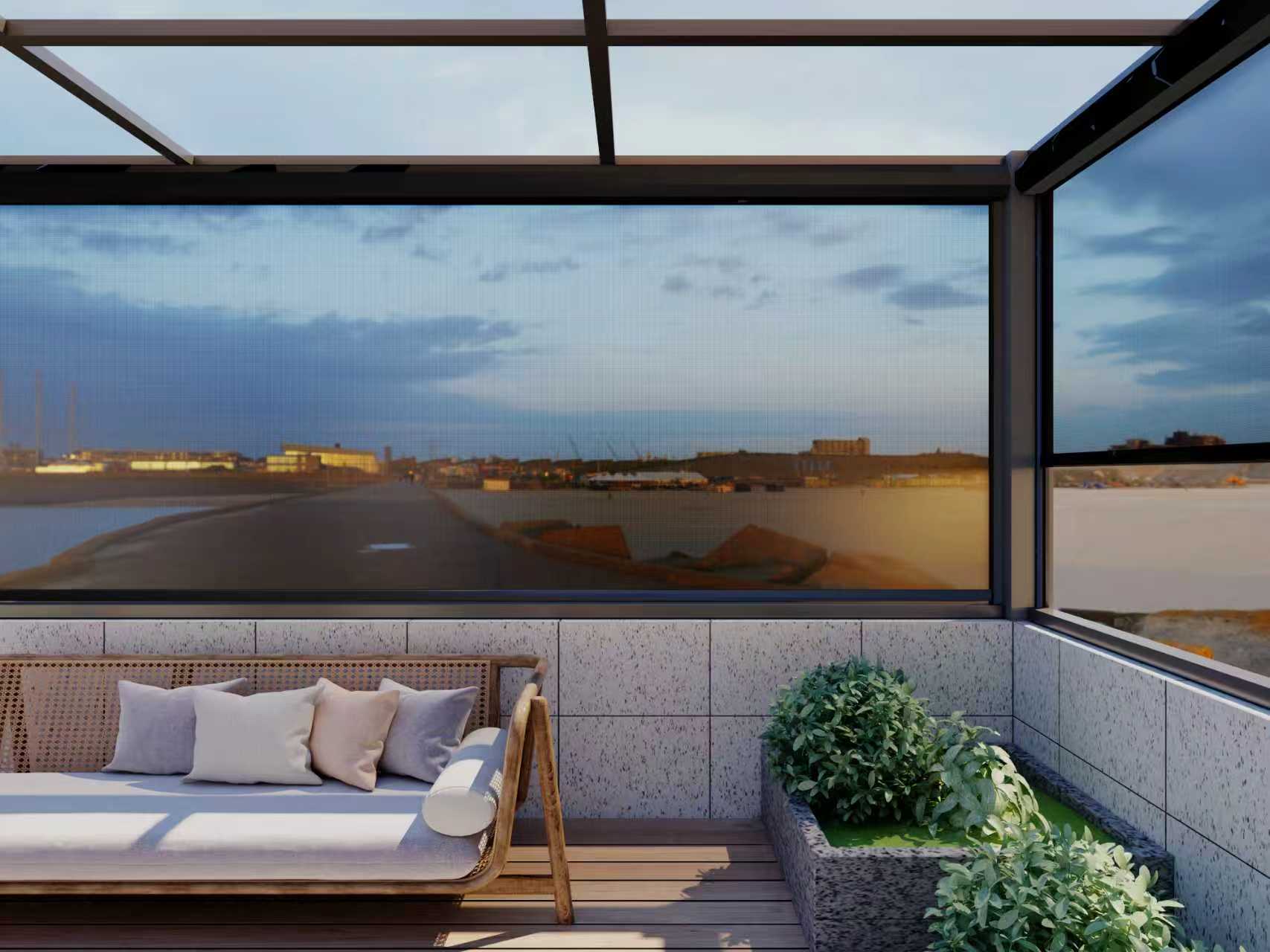
- Junto a la piscina: El aluminio se lleva muy bien con el agua y no se oxida ni con la humedad ni con el cloro. En eso supera con creces al hierro forjado o a la madera. Si le añades unas mamparas motorizadas a prueba de viento, tendrás un rincón con mucha intimidad para cambiarte o relajarte.
- Airbnb, casas de huéspedes y restaurantes al aire libre: He hablado con anfitriones de Airbnb que me han comentado que añadir uno de estos elementos para crear una zona de té o café al aire libre aumentó notablemente sus reservas. ¿Por qué? Porque el espacio exterior sigue siendo aprovechable durante la temporada de lluvias o en los días abrasadores de verano, y queda increíblemente bien en Instagram.
- Balcones y azoteas de edificios de gran altura: El aluminio es ligero (aproximadamente un tercio del peso del acero), por lo que no supone una carga excesiva para los límites de peso estructurales. Sin embargo, en las azoteas sopla un viento increíblemente fuerte, por lo que es imprescindible elegir un modelo con un grosor de 2,0 mm y asegurarse de que esté bien fijado.
Consejos prácticos antes de comprar
Si estás pensando en hacerte con uno, aquí tienes algunos consejos prácticos que te ahorrarán un montón de quebraderos de cabeza:
- Comprueba el grosor del metal, no solo el precio: Busca postes principales que tengan un grosor mínimo de 2,0 mm (2,5 mm es aún mejor) y vigas de 1,5 mm. Si el metal es demasiado fino, toda la estructura se tambaleará y se deformará al cabo de unos años.
- Comprueba dos veces el motor y la estanqueidad: En el caso de las versiones motorizadas, pregunta específicamente por el grado de estanqueidad del motor (lo ideal es IP66 o superior) y cómo se drena el agua de las lamas. Las marcas baratas siempre escatiman en este aspecto y, al cabo de un año, el tejado empieza a hacer ruidos extraños o se atasca.
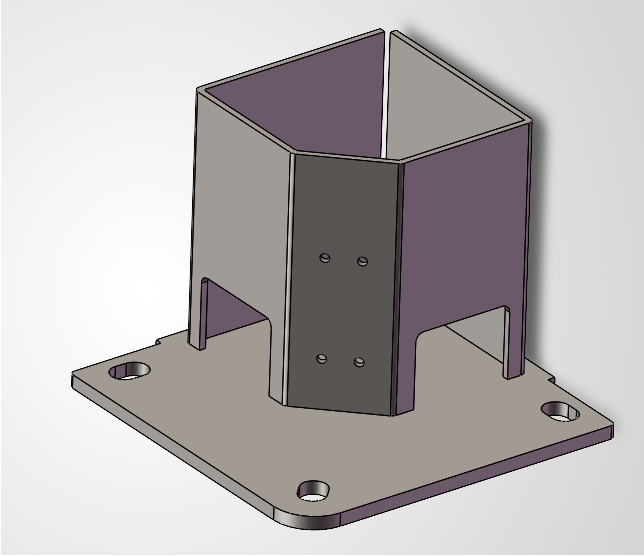
- No intentes realizar la instalación tú mismo: Esto implica hormigonar los cimientos (a ser posible, de 12 pulgadas de profundidad), tender el cableado eléctrico (de baja tensión, 12 V/24 V, para mayor seguridad) y nivelar perfectamente la estructura. Contrata a profesionales. Si no lo haces, una fuerte tormenta podría convertir, literalmente, tu costosa pérgola en un peligro para la seguridad.
- Enciende el motor con antelación: Si te decantas por una opción motorizada, asegúrate de que haya una toma de corriente o un cable disponible cerca del lugar de instalación. Intentar tender los cables a posteriori estropea por completo el aspecto limpio del conjunto.
- Opta por el recubrimiento de fluorocarbono: Asegúrate de que el acabado de la superficie sea de fluorocarbono (PVDF) en lugar de un recubrimiento en polvo estándar. Resiste mucho mejor los rayos UV y el aire salino, lo cual es imprescindible si vives cerca de la costa o en zonas muy húmedas.
Especificaciones técnicas de nivel profesional (cómo reconocer la calidad)
Esta parte es un poco técnica, pero conocer estos detalles te hará parecer un experto y evitará que un vendedor te estafe:
- Calidad del aluminio: El estándar del sector es la aleación de aluminio 6063-T5: es resistente, flexible y tiene una resistencia a la tracción de 160 MPa. Los modelos personalizados de gama alta pueden llegar incluso a utilizar la aleación 6061-T6.
- Uniones y conexiones: Los productos de calidad utilizan uniones de esquina de precisión con pasadores de acero inoxidable o pernos de ensamblaje con espiga y mortaja. Evita todo aquello que requiera soldadura in situ, ya que la soldadura provoca deformaciones por calor y destruye el recubrimiento protector.
- Sistemas de drenaje ocultos: Los modelos Premium integran los canalones a la perfección en las lamas y las vigas. El agua fluye de forma invisible a través de los postes huecos y sale por la base, lo que evita que unos antiestéticos bajantes estropeen el aspecto general.
- Integración en el hogar inteligente: Además de las aplicaciones, los mandos a distancia o el control por voz, puedes añadir sensores de lluvia (que cierran automáticamente el techo cuando empieza a llover a cántaros), sensores de viento, tiras de luces LED de bajo voltaje (12 V/24 V) e incluso puertos USB y enchufes integrados directamente en los postes.
- Clasificaciones de resistencia al viento: Los fabricantes de prestigio las diseñan para cumplir con estrictas normas de resistencia a la carga del viento. Los modelos básicos pueden soportar vientos de fuerza de vendaval (alrededor de 40-45 mph), mientras que los modelos de alta resistencia pueden resistir vientos de fuerza de huracán de categoría 1 (alrededor de 75 mph), siempre y cuando los cimientos sean muy sólidos.
Preguntas Frecuentes (PF)
P: ¿Es realmente resistente al agua el modelo 100%?
R: Cuando está completamente cerrado, bloquea aproximadamente 95% de lluvia, pero no es un techo interior herméticamente sellado. Durante un aguacero intenso con lluvia lateral o vientos extremos, es posible que entre un poco de rocío o algunas gotas. Si vives en una zona muy ventosa, intenta colocarlo alejado de la dirección predominante del viento o añade toldos laterales.
P: ¿Resiste huracanes o vientos fuertes?
R: El aluminio en sí mismo sí que puede, pero el punto débil siempre es la instalación. Esto debe debe anclarse en cimientos de hormigón (a ser posible, a una profundidad de 12 pulgadas), y no solo fijarse con tornillos de expansión estándar en losas finas de patio. Cuando está correctamente anclada, suele soportar sin problemas vientos de entre 40 y más de 75 mph.
P: ¿Puedo utilizarlo en invierno? ¿Se agrietará el aluminio con el frío glacial?
R: El aluminio 6063-T5 mantiene perfectamente su resistencia y elasticidad incluso a temperaturas de hasta -40 °F, por lo que es totalmente adecuado para la mayoría de los climas fríos. Si hay nevadas intensas, basta con dejar abiertas las rejillas para que la nieve no se acumule y sobrepase el límite de peso del tejado.
P: ¿Qué pasa si se estropea el motor?
R: La mayoría de las buenas marcas incluyen una manivela manual como sistema de respaldo. Además, dado que el motor está situado en la parte superior, optar por un grado de protección IP66 contra el agua reduce considerablemente el riesgo de averías. Siempre recomiendo comprar una marca que ofrezca un servicio de atención al cliente local y una garantía sólida.
P: ¿Es esta una buena opción para una vivienda de alquiler o para un uso a corto plazo?
R: ¿Sinceramente? Probablemente no. Como requiere una base fija y es muy complicado desmontarlo y trasladarlo, está pensado realmente como una mejora a largo plazo para una vivienda de tu propiedad.
Conclusión
Al fin y al cabo, una pérgola de aluminio con lamas es uno de esos proyectos de mejora del hogar en los que “se compra una vez y se llora una vez”. Si estás harto de la madera enmohecida, el hierro oxidado o los cenadores de lona que se rompen con el viento —y dispones del presupuesto y el espacio necesarios—, esta es una decisión que mejorará enormemente tu estilo de vida.
Recuerda: no se trata de un producto básico en el que puedas escatimar. Las especificaciones, la calidad de fabricación y la instalación determinarán si será una fuente de relajación absoluta durante los próximos diez años o un auténtico quebradero de cabeza durante los próximos doce meses.
¿Estás buscando uno ahora mismo? ¿O tienes alguna pregunta concreta sobre las dimensiones, las configuraciones o cómo preparar la base? Deja un comentario más abajo con la configuración de tu jardín: ¡me encantaría ayudarte a analizar las opciones para que puedas hablar con los comerciales sin que te engañen!