
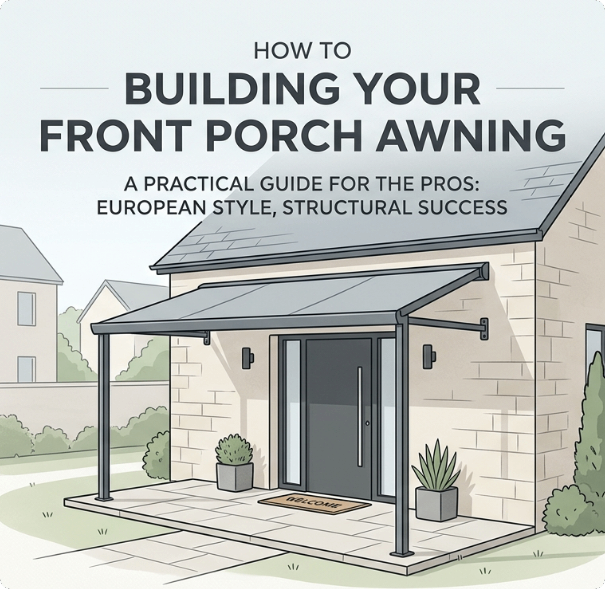
¿Alguna vez te has detenido un momento mientras paseabas por una calle comercial típica europea y te has preguntado por qué algunos toldos parecen haber formado parte del edificio desde hace siglos, mientras que otros parecen un añadido poco acertado de última hora? O peor aún, ¿alguna vez has tenido esa “sensación de desánimo” al ver cómo una instalación moderna se dobla bajo el peso de la primera nevada del invierno?
Tras años de hablar de trabajo con distribuidores de todo el continente, nos hemos dado cuenta de una cosa: La mayoría de la gente no está “construyendo” un toldo; simplemente se lo están “poniendo”.” Ese cambio de mentalidad es precisamente donde empieza la decadencia, lo que da lugar a un sinfín de llamadas de avería, problemas de mantenimiento y diseños que desentonan con el carácter local.
No es solo un manual: esta es tu guía “sin tonterías”
Hoy nos saltamos las instrucciones aburridas y teóricas. En su lugar, voy a compartir un sistema basado en la armonía arquitectónica, la resistencia al clima europeo y el cumplimiento de las normas estructurales. Tanto si eres un mayorista que busca abastecerse del material adecuado como si eres un contratista en plena faena, el objetivo es ahorrarte tiempo, dinero y proteger tu reputación.
Los principios fundamentales: el equilibrio entre la estética y la “fuerza”
En nuestro rincón del mundo, una compilación satisfactoria se rige por tres reglas de oro:
- Continuidad arquitectónica: Un toldo no debe llamar excesivamente la atención. Debe respetar la inclinación del tejado y la mampostería del edificio al que se adosará. Una instalación perfecta da la impresión de haber “crecido” de la pared, en lugar de haber sido atornillada a ella.
- La capacidad de carga es imprescindible: No construyas solo pensando en el sol del verano. Ya sea en el Reino Unido, en Escandinavia o en los Alpes, Carga de nieve es lo que realmente determina la vida útil de tu estructura.
- La estrategia de drenaje: Llueve mucho. Y punto. Un sistema de canalones bien diseñado es mucho más importante que un acabado elegante. Si el agua no tiene por dónde salir, se abrirá camino por sí sola, y normalmente acabará en algún sitio donde no la quieres.
Escenarios: en consonancia con el patrimonio local
Los distintos estilos europeos requieren diferentes “uniones” entre el edificio y el toldo:
- La casa de campo tradicional: Opta por marcos de aluminio con un acabado que imite fielmente la veta de la madera. Una estructura clásica con frontón (en forma de A), en color pizarra oscuro o verde bosque, aporta una sensación acogedora y auténtica.
- La villa mediterránea: Aquí lo más importante es la ventilación. Opta por tejidos de colores claros o sistemas de lamas ajustables que reflejen los intensos rayos UV sin impedir que circule la brisa.
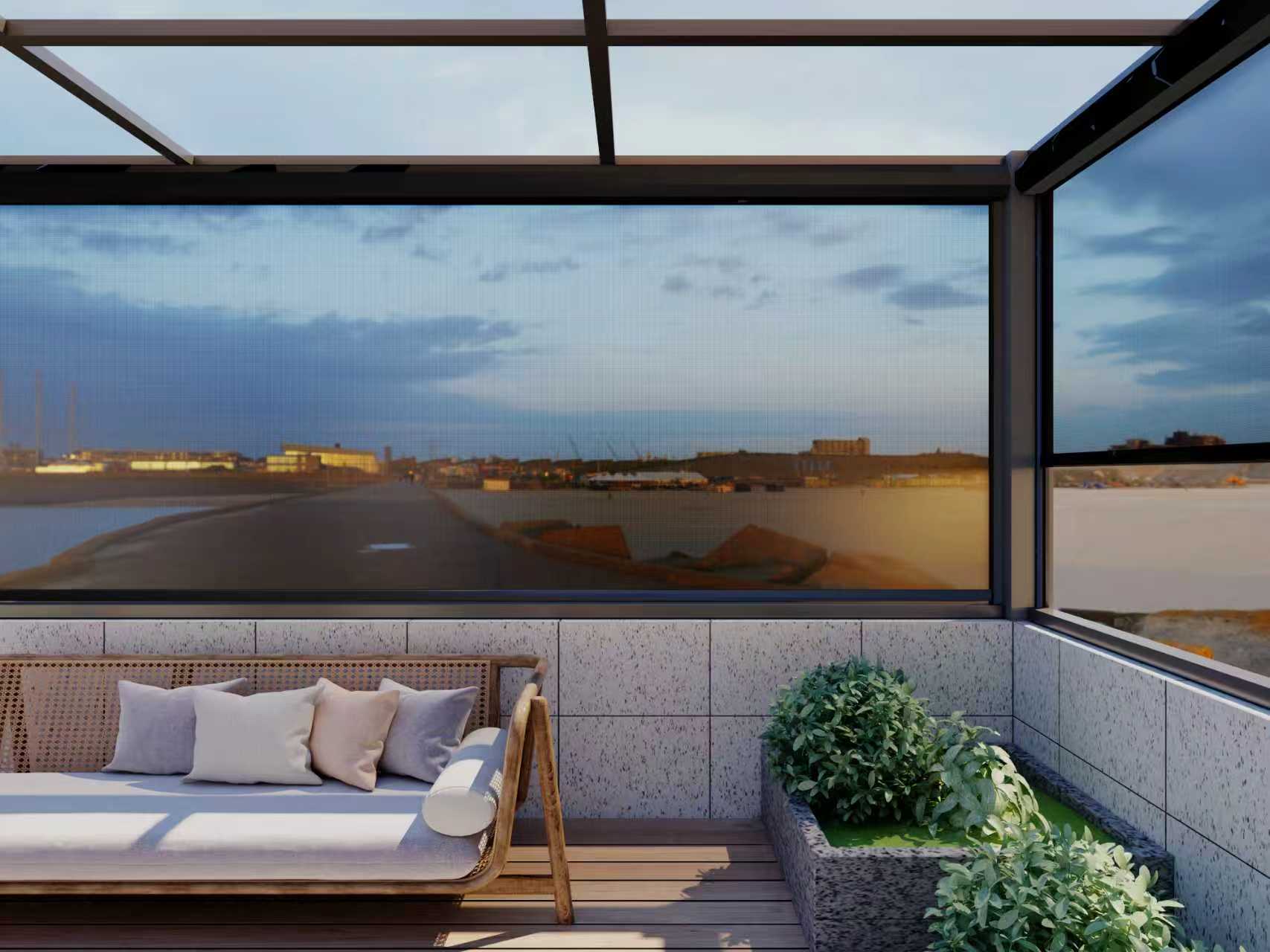
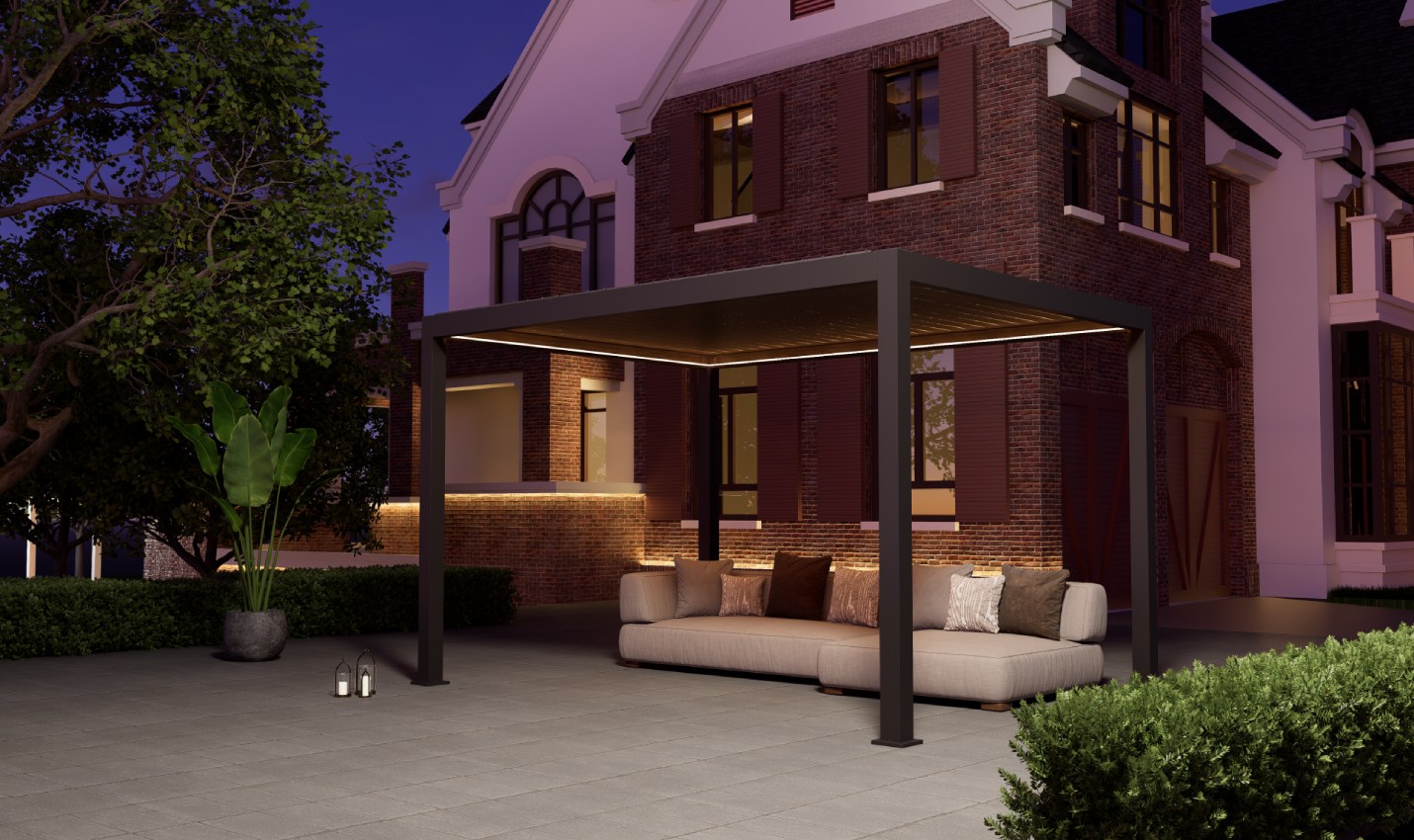
- Minimalista moderno: Piensa en el lema “menos es más”. Un diseño en voladizo (sin pilares antiestéticos) con un acabado mate en color carbón o con recubrimiento en polvo aporta esas líneas limpias y definidas que buscan los clientes de alta gama.
Consejos ganados a pulso: cómo hacerlo bien en la obra
- No escatimes en la profundidad de fijación: Este es el error #1 que veo. Cuando se trata de ladrillos huecos o de sistemas modernos de aislamiento de paredes exteriores (EWI), los tacos estándar no son suficientes. Hay que utilizar Anclajes químicos/Fijaciones con resina. Si la pared falla, el producto falla.
- Cuidado con las caídas: Asegúrate de que haya un mínimo Inclinación de 15° (pendiente). No se trata solo de una recomendación, sino que es fundamental para eliminar los residuos y el agua de lluvia intensa, evitando que la tela se “acumule” y se estire.
- Pretensado de la lona: Si utilizas tejidos, asegúrate de que sean de acrílico de alta calidad, teñidos en masa. No se combarán ni perderán el color tras seis meses de llovizna británica.
Para los expertos: un “análisis en profundidad” técnico”
Como fabricantes, recomendamos a nuestros socios comerciales que examinen con más detenimiento la ficha técnica:
- IML (etiquetado en molde): En el caso de las etiquetas de marca personalizadas para el sector comercial o de seguridad, la tecnología IML garantiza que la información se mantenga nítida y legible durante una década, incluso en el aire salino de la costa.
- Normas CE EN 13561: Este es tu “pasaporte” para el mercado europeo. Es la clasificación obligatoria de resistencia al viento. Si tu proveedor no puede mostrártela, no sigas adelante.
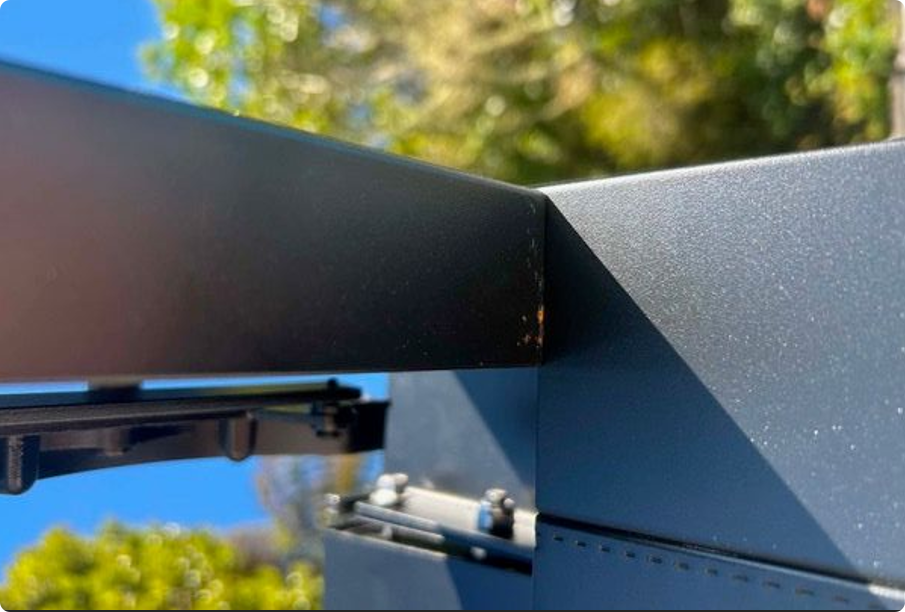
- Recubrimiento en polvo Qualicoat: Busca esta certificación. Es la garantía por excelencia de que el acabado no se descascarilla ni se corroe cuando el tiempo empeora.
Preguntas frecuentes (FAQ)
P: ¿Necesita mi cliente una licencia de obras?
R: En muchas regiones, si se trata de una estructura “temporal o desmontable”, suele no haber ningún problema. Sin embargo, si se trata de una instalación permanente o se encuentra en un espacio protegido, indica siempre al cliente que lo consulte primero con el ayuntamiento. Más vale prevenir que curar.
P: ¿Por qué elegir el aluminio en lugar de la madera tradicional?
R: La madera queda preciosa al principio, pero en nuestro clima húmedo es una pesadilla que requiere mucho mantenimiento. El aluminio de alta calidad te ofrece la tranquilidad de poder “instalarlo y olvidarte” durante 20 años, sin perder ni un ápice de su elegancia.
P: ¿Cómo podemos evitar ese ruido de “golpeteo” cuando llueve?
R: Si utilizas láminas de policarbonato, utiliza juntas antivibratorias. O mejor aún, recomienda a tu cliente que opte por un sistema de lamas de aluminio o de tela: son mucho más silenciosos cuando llueve a cántaros.
¿Quieres mejorar tu inventario?
Como fabricantes especializados en pérgolas y toldos, sabemos que para un mayorista lo más importante es calidad constante y montaje sencillo. No nos limitamos a enviar paquetes; ofrecemos soluciones que no te darán problemas más adelante.
Si buscas un socio de confianza para tu próximo proyecto o quieres echar un vistazo a nuestro último catálogo comercial, hablemos. Estamos aquí para ayudarte a ofrecer lo mejor a tus clientes.
Construyamos algo que perdure.