

Have you ever paused for a moment while walking down a typical European high street and wondered why some awnings look like they’ve been part of the building for centuries, while others look like an awkward after-thought? Or worse, have you ever had that “sinking feeling” seeing a modern installation buckling under the weight of the very first winter snowfall?
After years of talking shop with distributors across the continent, we’ve realised one thing: Most people aren’t “building” an awning; they’re simply “tacking one on.” That shift in mindset is exactly where the rot sets in—leading to endless call-outs, maintenance headaches, and designs that clash with the local character.
Not Just a Manual—This is Your “No-Nonsense” Guide
We’re skipping the dry, textbook instructions today. Instead, I’m sharing a system built on architectural harmony, surviving the European climate, and structural compliance. Whether you’re a wholesaler looking to stock the right kit or a contractor on the tools, this is about saving you time, money, and your reputation.
The Core Principles: Balancing Aesthetics with “Brawn”
In our corner of the world, a successful build follows three golden rules:
- Architectural Continuity: An awning shouldn’t scream for attention. It needs to respect the host building’s roof pitch and masonry. A perfect installation looks like it “grew” out of the wall, rather than being bolted onto it.
- Load-Bearing is Non-Negotiable: Don’t just build for the summer sun. In the UK, Scandinavia, or the Alps, Snow Load is what actually dictates the lifespan of your structure.
- The Drainage Strategy: We get a lot of rain. Period. A clever guttering system is far more important than a fancy finish. If the water has nowhere to go, it’ll find its own way—usually somewhere you don’t want it.
Scenarios: Matching the Local Heritage
Different European vibes require different “handshakes” between the building and the awning:
- The Traditional Cottage: Go for aluminium frames with a realistic timber-grain finish. A classic gable-fronted (A-frame) structure in a dark slate or forest green keeps things feeling cosy and authentic.
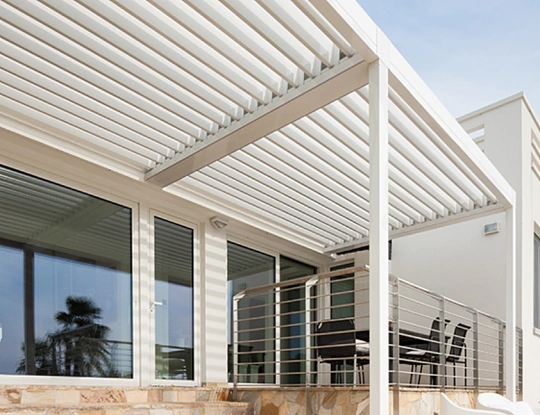
- The Mediterranean Villa: It’s all about breathability here. Opt for light-coloured fabrics or adjustable louvred systems that deflect the harsh UV rays while keeping the breeze moving.
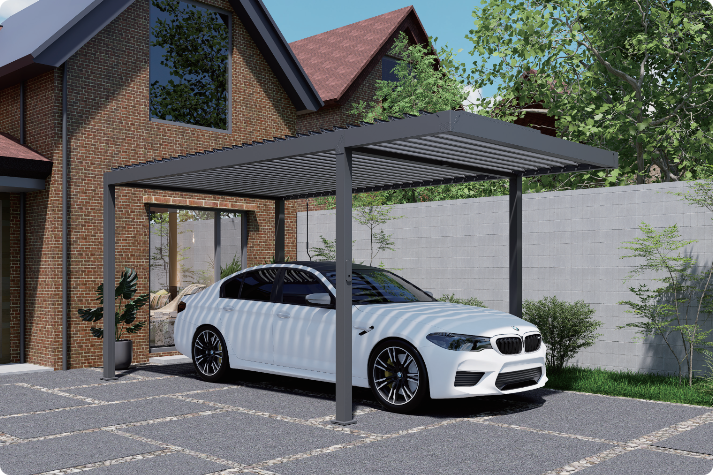
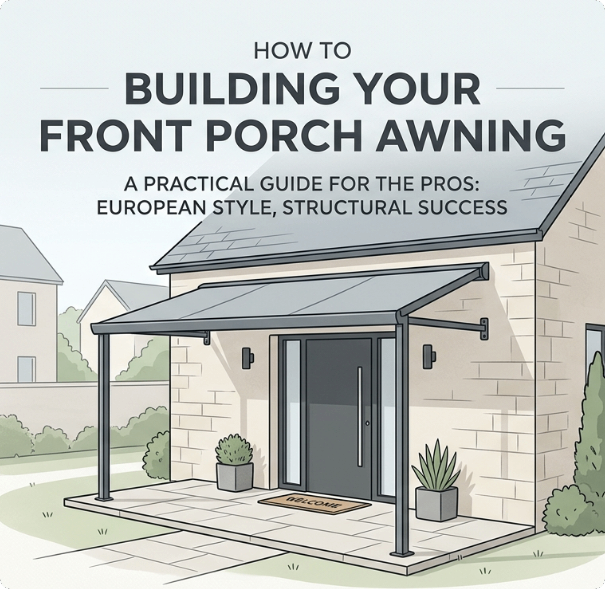
- Modern Minimalist: Think “less is more.” A cantilevered design (no unsightly pillars) with a matte charcoal or powder-coated finish provides those clean, sharp lines that high-end clients crave.
Hard-Won Tips: Getting It Right on Site
- Don’t Skimp on Fixing Depth: This is the #1 fail I see. When dealing with hollow bricks or modern EWI (External Wall Insulation), standard rawlplugs won’t cut it. You must use Chemical Anchors/Resin Fixings. If the wall fails, the product fails.
- Mind the Fall: Ensure a minimum 15° pitch (slope). This isn’t just a suggestion—it’s vital for shedding debris and heavy rain, preventing the fabric from “puddling” and stretching.
- Fabric Pre-tensioning: If you’re using textiles, ensure they are high-spec, solution-dyed acrylics. They won’t sag or fade after six months of British drizzle.
For the Pros: The Technical “Deep Dive”
As manufacturers, we tell our trade partners to look closer at the spec sheet:
- IML (In-Mould Labelling): For bespoke trade branding or safety labels, IML ensures the info stays crisp and readable for a decade, even in salty coastal air.
- CE EN 13561 Standards: This is your “passport” for the European market. It’s the mandatory rating for wind resistance. If your supplier can’t show you this, walk away.
- Qualicoat Powder Coating: Look for this certification. It’s the gold standard for ensuring the finish doesn’t peel or corrode when the weather turns nasty.
Common Queries (FAQ)
Q: Does my client need Planning Permission?
A: In many regions, if it’s a “temporary or demountable” structure, you’re often in the clear. However, if it’s a permanent fixture or in a Conservation Area, always tell the client to double-check with the local council first. Better safe than sorry.
Q: Why choose aluminium over traditional timber?
A: Timber looks lovely on day one, but in our damp climate, it’s a high-maintenance nightmare. High-grade aluminium gives you that 20-year “fit and forget” peace of mind while looking just as sharp.
Q: How do we stop the “drumming” noise in rain?
A: If you’re using polycarbonate sheets, use anti-vibration gaskets. Or better yet, move your client toward a louvred aluminium or fabric system—they’re much quieter when the heavens open.
Looking to Level Up Your Inventory?
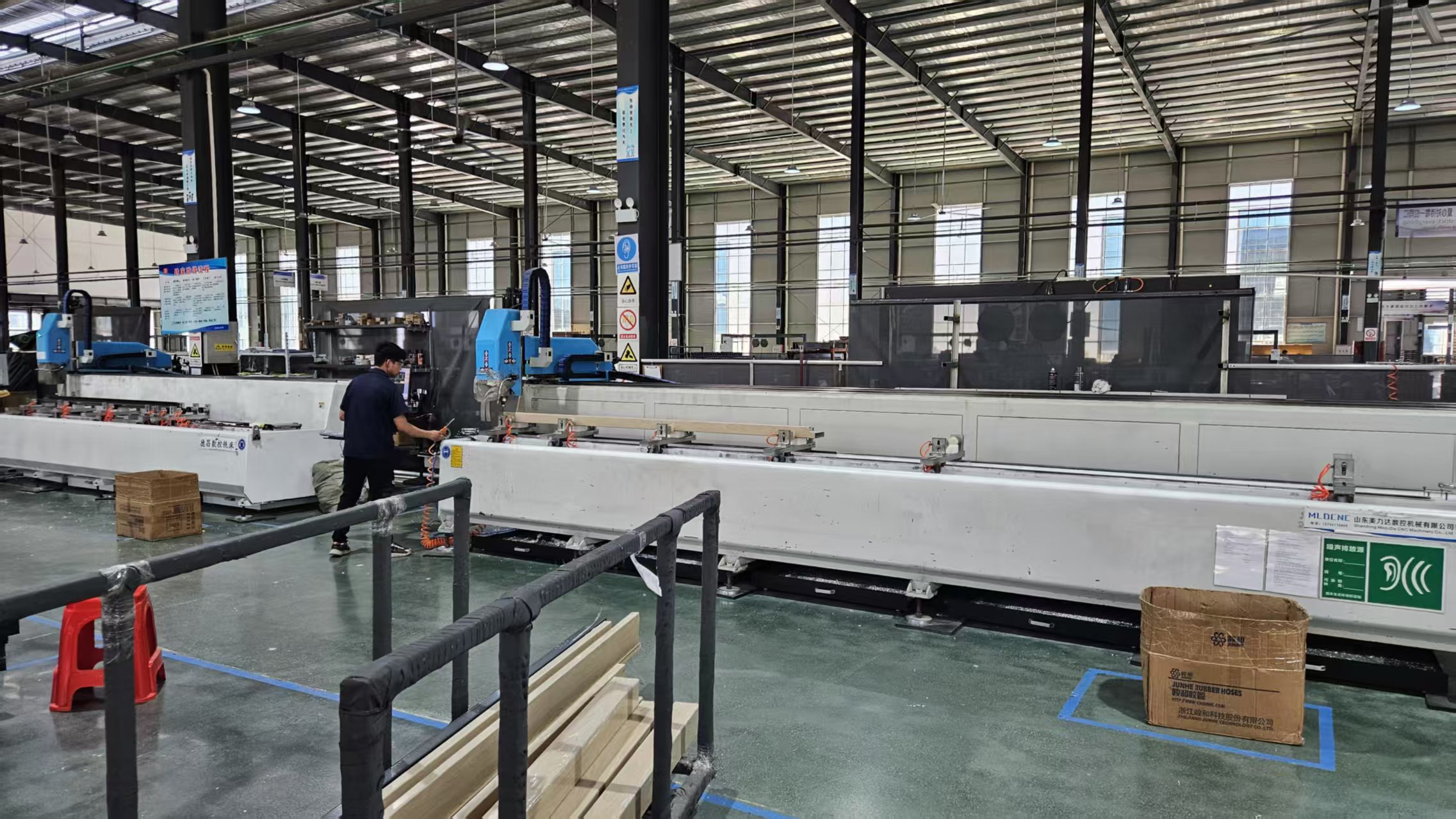
As a specialist manufacturer of pergolas and awnings, we know that for a wholesaler, it’s all about consistent quality et straightforward assembly. We don’t just ship boxes; we provide solutions that don’t come back to haunt you.
If you’re looking for a reliable partner for your next project or want to see our latest trade catalogue, let’s have a chat. We’re here to help you deliver the best to your customers.
Let’s build something that lasts.