


As a premium outdoor living space, a metal louvered pergola offers exceptional weather resistance. However, after enduring extreme weather events like high winds, heavy rain, or blizzards, its structure and components still bear significant physical stress.
To ensure the safety of your family and extend the lifespan of your pergola, a systematic safety inspection is essential once the severe weather passes.
We recommend following a logical inspection sequence: “from top to bottom, from outside to inside, and structure before electrical systems.” Focus on checking these four core areas:
1. Top Louvers and Frame Inspection: Checking for Structural and Drive Damage
The top of your pergola is the first line of defense against wind and snow loads, making it the area most susceptible to deformation.
Louver Blade Integrity
- Physical Deformation: Carefully inspect the louver blades for any bending, twisting, or fracturing.
- Closure Precision: Try fully closing the louvers. If you notice uneven alignment, unusually wide gaps, or an inability to close completely, the issue is rarely with the blades themselves. Instead, it usually points to damage or misalignment in the internal linkage mechanism.
Overall Frame Distortion
- Beam Sagging: Step back a few paces and align your gaze to see if the perimeter frame or main support beams show any signs of sagging or lateral bowing.
- Snow Load Damage: If the center of the roof frame appears saggy after a heavy snowstorm, it indicates that the snow accumulation exceeded load limits, potentially compromising the structural rigidity of the metal. This requires immediate attention.
2. Structural Posts and Connectors: Ensuring Wind Resistance and Stability
The stability of your posts and connections determines whether your metal pergola will stand firm when the next windstorm strikes.
Post Alignment and Verticality
- Visual Check: Walk a few steps back and check the posts from two perpendicular angles to ensure they are still perfectly vertical to the ground.
- Foundation Loosening: If a post is tilting or there are signs of lifting or cracking on the ground around the anchor bolts, the foundation may have suffered uneven settling, or the lateral wind-bracing system has failed.
Fasteners and Weld Inspections
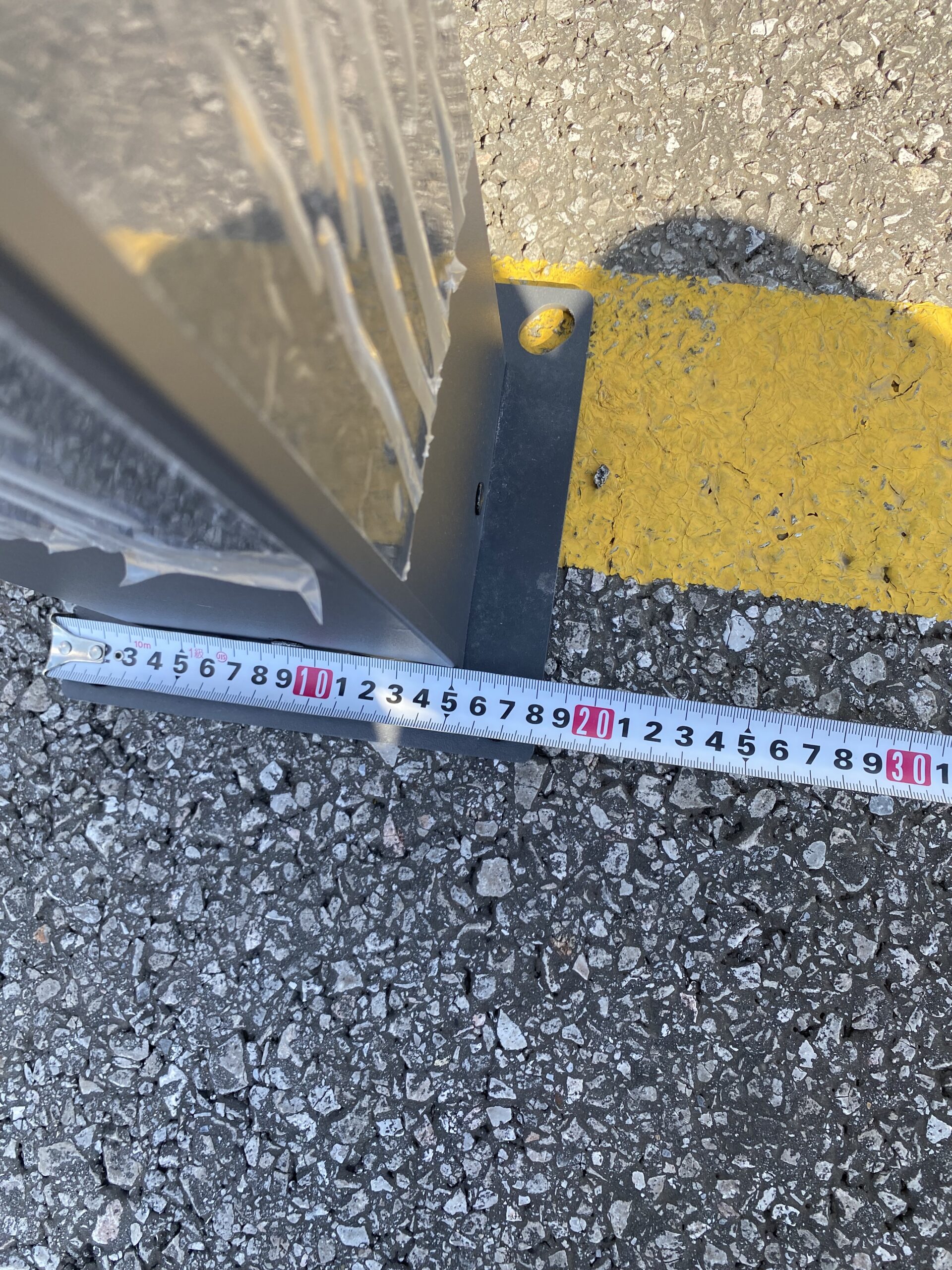
- Loose Bolts: Focus your inspection on the connection points between the posts and beams, as well as the posts and the ground. High-frequency vibrations from strong winds can easily loosen or even completely back out bolts.
- Cracked Welds: If your pergola features a welded steel structure, use a flashlight to closely examine all weld joints for tiny hairline cracks or tears caused by stress.
3. Motorized System and Seal Inspections: Preventing Short Circuits and Water Ingress
For motorized louvered pergolas, checking electrical safety and waterproof seals after a heavy storm is of paramount importance.
Motor and Wiring Safety
- Abnormal Noises: Try cycling the system on and off, listening closely for any grinding, stuttering, or unusual friction noises coming from the motor.
- Electrical Troubleshooting:
- If the motor fails to run at all after a storm, it is often due to moisture ingress in the control box or the motor housing triggering short-circuit protection.
- If you hear a humming sound but the louvers do not move, the actuator rod might have detached or broken, or the internal reduction gears may have stripped.
Weatherstripping and Leak Detection
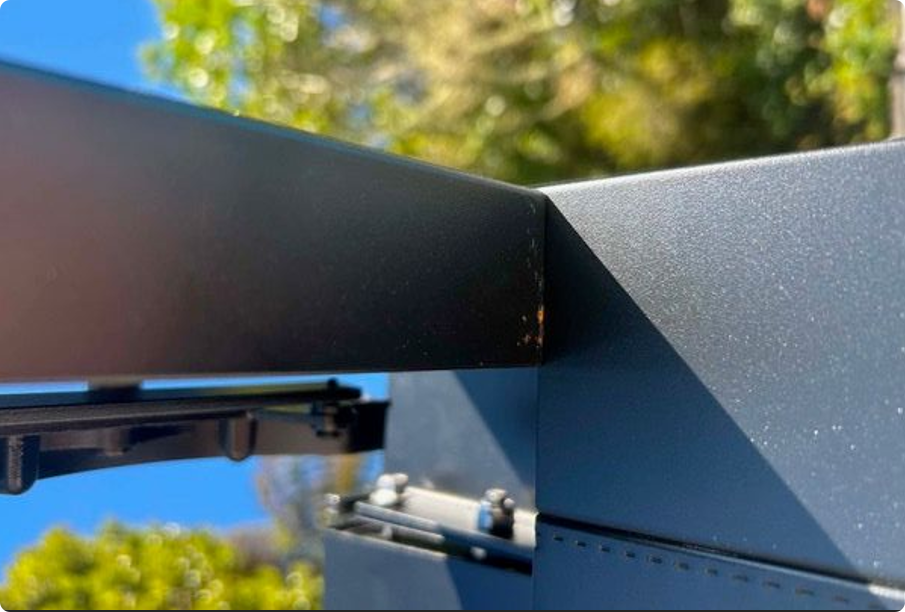
- Seal Degradation: Inspect the perimeter weatherstripping (EPDM seals) and weatherproofing caulk to ensure they haven’t cracked, lifted, or peeled under the strain of high winds.
- Water Traces: Look for fresh watermarks, efflorescence, or damp spots near the post bases or on adjoining walls. Finding these means rain has breached the seals or joints during the storm.
4. Drainage System Inspection: Clearing Channels and Preventing Backflow
Most metal louvered pergolas utilize a concealed internal drainage design. If drainage is blocked, it not only causes water to leak into the seating area but also accelerates corrosion on metal components.
【Post-Storm Drainage Flow Check】
Top Gutters (Clear leaves & snow) ──> Post Downspouts (Clear sand & debris) ──> Bottom Outlets (Ensure smooth exit)
Clearing Roof Gutters
High winds can toss a significant volume of leaves and twigs directly into the roof gutters. After a blizzard, melting snow mixed with dirt can easily freeze or silt up inside the channels. Make sure clearing this debris is your first step.
Inspecting Column Downspouts
Check the internal downspouts within the posts to ensure they aren’t blocked by sand or debris. Additionally, verify that the downspout connections haven’t been pulled apart by strong winds, guaranteeing that meltwater and rainwater can drain freely to the ground.
Safety Alert: When to Call the Professionals
During your self-inspection, if you encounter any of the following “red line” scenarios, stop using the pergola immediately and stay clear of the area:
- Severe tilting of the structural posts or visible lifting at the concrete footings.
- Obvious bending, bowing, or structural tearing of the main load-bearing beams.
- The motor trips the circuit breaker or gives off a burnt smell during operation.
These issues involve repairing load-bearing integrity and high-voltage electrical overhauls. You must contact your manufacturer or professional structural and outdoor shading specialists for stabilization; do not attempt to dismantle it yourself.
Outdoor Living Q&A
How did your metal pergola hold up during the latest storm? Are you experiencing issues with misaligned louvers or slow drainage? Let us know the material and damage details of your pergola in the comments below, and we’ll gladly provide some tailored troubleshooting advice!