


Installing a brand-new aluminum pergola or bioclimatic louve structure should elevate an outdoor living space. However, many homeowners and contractors run into a frustrating issue right after setup: the structure sways or wobbles when pushed or during strong winds.
Even when every screw is fully tightened, structural instability can still occur. A shaking pergola is rarely just a cosmetic defect—it is a result of structural mechanics, unmanaged leverage, and insufficient bracing.
Here is a breakdown of why new pergolas wobble and how engineering-grade solutions resolve these issues at the structural level.
What Causes a Newly Built Pergola to Shake?
A wobbling pergola typically stems from three core structural vulnerabilities:
- Lack of Frame Geometry (Racking Force): Standard posts and beams meet at a 90-degree angle. Without diagonal support, lateral wind or pushing forces easily cause the rectangular frame to shift into a parallelogram.
- Insufficient Moment Resistance at the Post Base: Standard anchor bolts or lightweight flanges hold the post down against vertical lift, but they fail to resist rotational bending force (moment resistance). A tiny millimetric gap at the base amplifies into severe shaking at a height of 2.5 to 3 meters.
- Deflection in Long-Span Profiles: When a pergola span exceeds 4 to 5 meters, standard aluminium profiles flex under load. Material elasticity under wind pressures creates resonance and swaying.
To eliminate these structural failure points, WBEST engineers heavy-duty bioclimatic pergolas with targeted reinforcements built directly into the frame design.
3 Core WBEST Solutions to Stop Pergola Swaying
      +-------------------------------------------------+
      |                 Top Frame Beam                  |
      +-------------------------------------------------+
        /  ^                                       ^  \
       /   | Diagonal Corner Brace                 |   \
      /    | (Triangulation prevents racking)      |    \
     /     v                                       v     \
   +---+                                               +---+
   |   |                                               |   |
   |   | Heavy-Duty 6063-T6 Aluminum Post              |   |
   |   | (High tensile strength reduces flexing)       |   |
   |   |                                               |   |
   +---+                                               +---+
   |===| Reinforced Post Base Plate & Hex Bolts        |===|
   |   | (Optional Concrete In-Ground Burial)          |   |
   +---+                                               +---+
1. Corner Bracing for Node Stability
Relying solely on 90-degree corner screws leaves the structure vulnerable to lateral leverage.
- The WBEST Solution: High-strength diagonal corner braces (knee braces) are integrated at the connection nodes between the posts and main beams. By converting vulnerable 90-degree angles into rigid triangular load-bearing structures, wind energy is distributed down through the posts, stopping lateral displacement before it starts.
2. Upgraded Post Anchoring: Heavy Steel Plates, Hex Anchors & Deep Concrete Burial
Ground anchoring forms the foundation of structural rigidity. Instability at the bottom directly weakens the entire frame.
- The WBEST Solution:
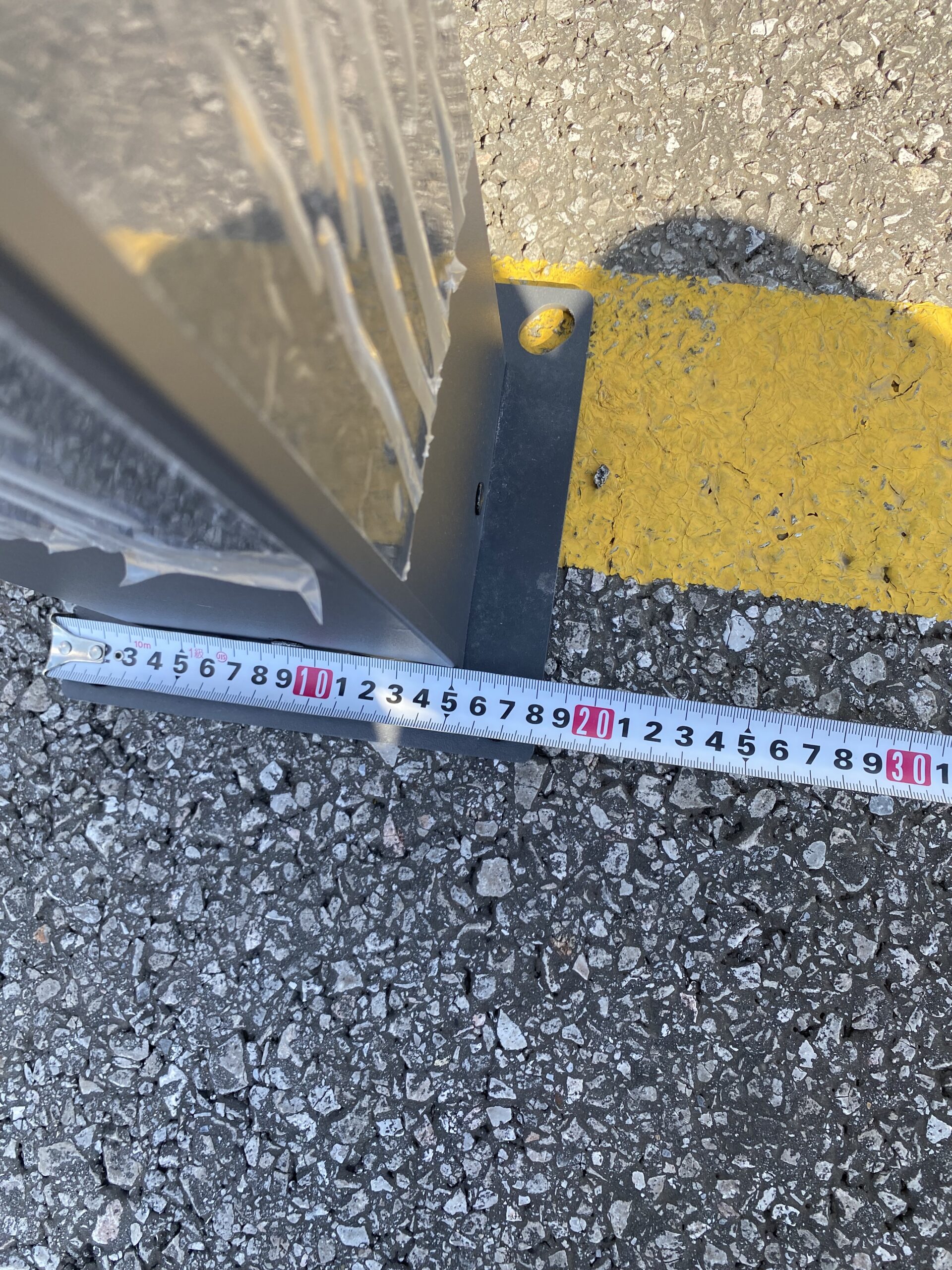
- Dual-Fastening Anchor System: Post bases utilize customized, thickened metal cover plates secured with heavy-duty hex-head internal expansion bolts. This design boosts shear resistance and moment resistance, eliminating the bottom micro-gaps that cause top-end swaying.
- Custom In-Ground Embedment: For high-wind zones or soft-soil installations, WBEST offers extended post lengths designed for direct concrete pier burial. Anchoring the posts deep into the ground transfers lateral forces directly into the earth for maximum stability.
3. Structural Reinforcement: 6063-T6 Architectural Aluminum & Intermediate Beams
Large-span pergolas offer sweeping, unobstructed views, but they demand superior bending resistance from the structural metals.
- The WBEST Solution:
- High-Grade 6063-T6 Aluminum Profiles: WBEST uses heavy-wall 6063-T6 aluminum alloy across load-bearing posts and beams. T6 heat treatment significantly enhances yield strength, hardness, and resistance to deflection compared to standard T5 aluminum.
- Multi-Beam Spatial Grid: For wide-span designs, additional structural cross-beams shorten the effective span distance. This cross-bracing network reinforces overall spatial rigidity, enabling the structure to withstand heavy snow loads and gale-force winds without sagging or vibrating.
Conclusion
A high-performance aluminum pergola should combine modern aesthetics with uncompromising structural integrity. By implementing corner brace triangulation, moment-resistant base anchoring with concrete embedment, and heavy-duty 6063-T6 aluminum profiles, WBEST eliminates frame vibration at the engineering level—delivering outdoor structures engineered to stand firm against the elements.