In modern home and outdoor space design, blind screens are becoming increasingly popular as versatile sunshades and protective products. They not only effectively resist wind and rain but also provide multiple functions such as sun protection, thermal insulation, and insect prevention. This article will primarily focus on the key aspects of outdoor windproof roller blinds, detailing their various materials and respective advantages.

Material of windproof roller shutter
Fiberglass fabric
Fiberglass fabric is a widely used material in windproof roller shades, and its distinctive properties make it perfect for outdoor applications.
Advantage:
Sun Shading and Heat Insulation: The fabric provides excellent sun shading, effectively blocking up to 80% of solar radiation while facilitating indoor air circulation, allowing users to enjoy a refreshing and unobstructed outdoor view. Additionally, the fiberglass fabric features remarkable thermal insulation properties, significantly decreasing reliance on indoor air conditioning for energy conservation.
Waterproof & Durable: The material boasts excellent waterproof capabilities, effectively blocking rainwater from entering the room and keeping it dry. Additionally, it features high abrasion resistance, making it resistant to wear and pilling over long-term use, thus maintaining a neat and clean appearance.
Aesthetics and Versatility: Fiberglass roller shades are available in a wide range of colors and styles, and can be customized to suit personal preferences and home designs, enhancing overall aesthetics.
Flame Retardant Performance: Another notable feature of fiberglass fabrics is their flame retardant properties. Since the internal structure of the fabric is made of glass fiber, it will not deform or char when exposed to a fire source, significantly improving safety. Furthermore, the fabric is mildew-proof, dust-proof, and easy to clean, reducing maintenance costs and providing durable protection for outdoor environments.
Drawbacks:
Susceptible to Contamination: While fiberglass material is generally more durable, it can be affected by dust, dirt, and other contaminants after extended outdoor use, necessitating regular cleaning and maintenance.
Feel and Elasticity: The fiberglass material is relatively stiff, which may make it less comfortable compared to softer materials, and its poor elasticity could impact ease of use to some extent.
Poor Moisture Absorption and Breathability: Fiberglass material has limited moisture absorption and breathability, which may result in internal water vapor not dispersing easily in certain humid conditions, requiring special attention to ventilation and moisture.
Polyester Fiber Material
Polyester Fiber also is a wiedly used material for outdoor blind screen.
Advantages:
High Strength and Abrasion Resistance: Polyester fiber boasts high strength and abrasion resistance, making it suitable for outdoor environments, where it can maintain stable performance over time.
Anti-wrinkle and no ironing: Polyester fiber exhibits excellent anti-wrinkle properties; even after prolonged use or folding, it quickly returns to a flat state, eliminating the need for frequent ironing.
Sun and weather resistance: Polyester fiber has superior light resistance compared to most natural fiber fabrics, making it suitable for extended outdoor use without significant fading or aging.
Chemical stability: Polyester fiber is highly resistant to acids, alkalis, and other chemicals, making it less susceptible to chemical erosion.
Drawbacks:
Limited light resistance: While polyester fiber offers better light resistance, some aging and fading may still occur with prolonged exposure to strong sunlight, potentially affecting aesthetics and service life.
Poor moisture absorption: Polyester fibers have relatively low moisture absorption, which can lead to internal water vapor accumulation in humid environments, necessitating careful attention to ventilation and drying.
Prone to static electricity: Polyester fiber is susceptible to static electricity in dry conditions, which may attract dust and fine particles, requiring regular cleaning.
Average dyeing performance: Polyester fibers exhibit average dyeing performance, often requiring specific dyes at high temperatures, and colors may not be as vibrant or long-lasting as those of some natural fibers.
Aluminum alloy material (frame and rail)
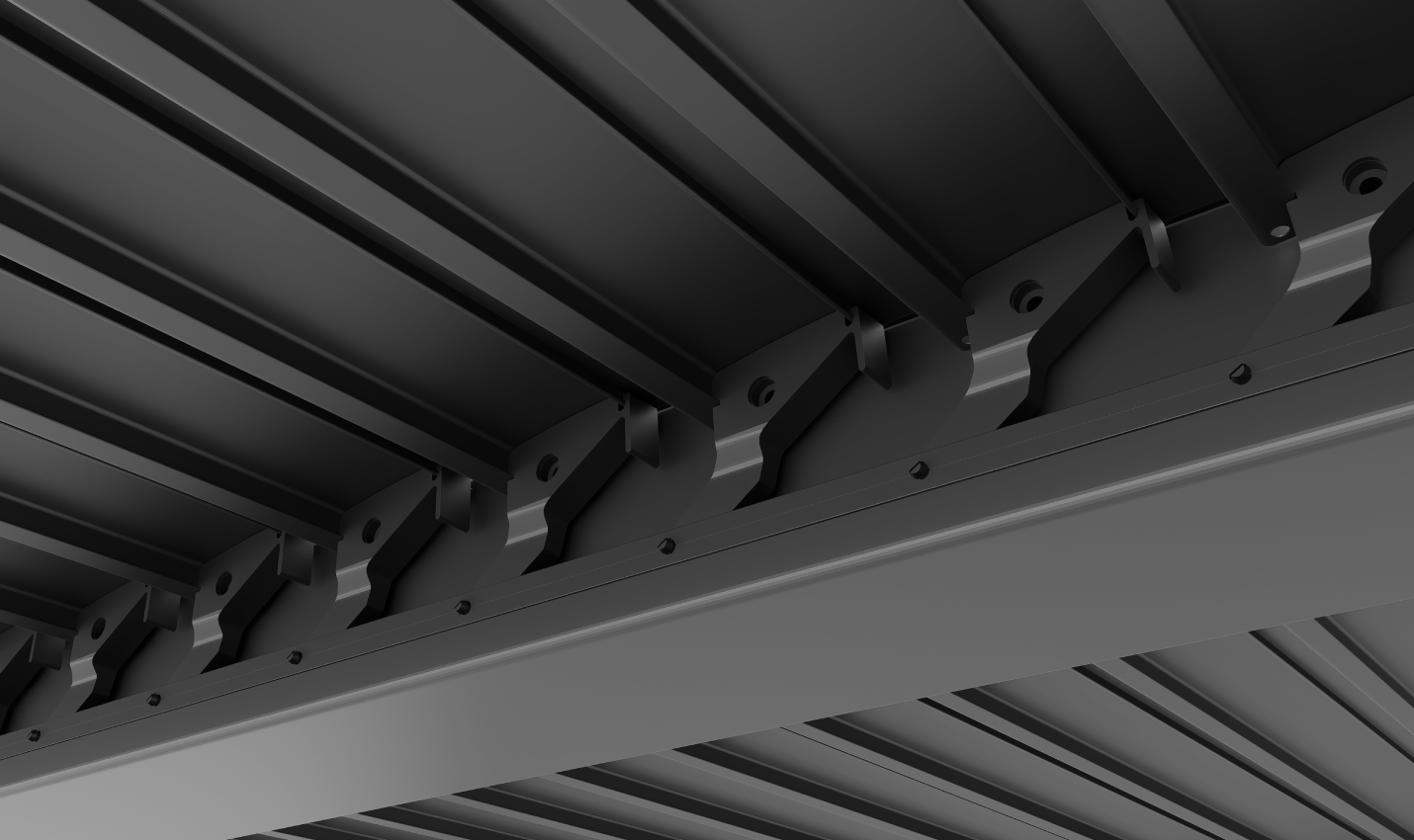
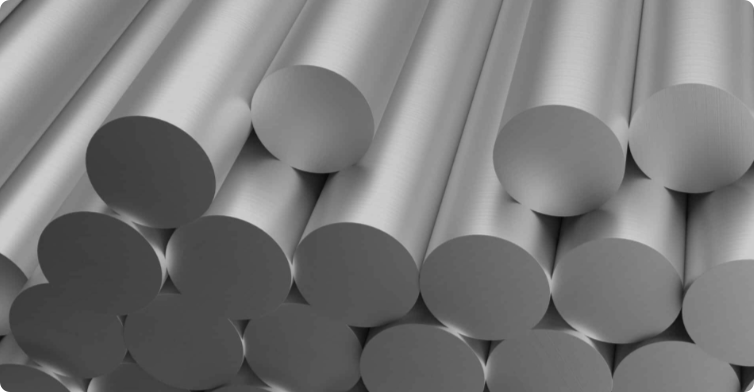
In addition to the choice of fabric, the frame of the windproof curtain and the material of the guide rail are equally important. An aluminum alloy frame, with its lightweight and high-strength characteristics, has become the preferred choice for wind shutter material.
Advantage:
Lightweight and high strength: Aluminum alloy is characterized by its lightweight and high strength, which reduces overall weight while ensuring durability, making it easy to install and use.
Wind pressure resistance and stability: The aluminum alloy frame and guide rail are expertly designed to provide excellent wind pressure resistance, ensuring the roller shutter remains stable in strong wind conditions.
Corrosion resistance: Aluminum alloy is resistant to rust and corrosion, allowing it to be used for extended periods in wet and harsh outdoor environments while maintaining its aesthetic appeal and performance.
Aesthetics and practicality: Aluminum alloy features a simple and elegant appearance that complements modern home styles. Additionally, its robust and durable properties enhance the product’s practicality.
Drawbacks:
Relatively weak impact resistance: Although aluminum alloy boasts high strength and stability, its impact resistance is comparatively low, making it susceptible to deformation or damage under strong impacts.
Limited corrosion resistance: Despite the anti-corrosion treatment applied to aluminum alloy, it may still experience some erosion in extremely harsh outdoor environments, such as those with strong acids, alkalis, and other corrosive substances.
Relatively high price: Compared to other materials, aluminum alloy can be more expensive, which increases overall purchase costs.
When selecting outdoor windproof roller blinds, it’s essential to consider the advantages and disadvantages of various materials and evaluate them based on your specific needs and environment. For instance, if you prioritize durability along with sun-shading and heat-insulating properties, fiberglass material is a suitable option; if you focus more on lightweight design and aesthetics and have a sufficient budget, aluminum alloy could be an excellent choice; polyester fiber material is ideal for most consumers due to its high strength, wear resistance, and affordability. Regardless of the material you choose, it’s important to perform regular cleaning and maintenance to prolong the product’s lifespan.
Follow WBEST to discover more about outdoor pergola and awnings. Thank you for reading.