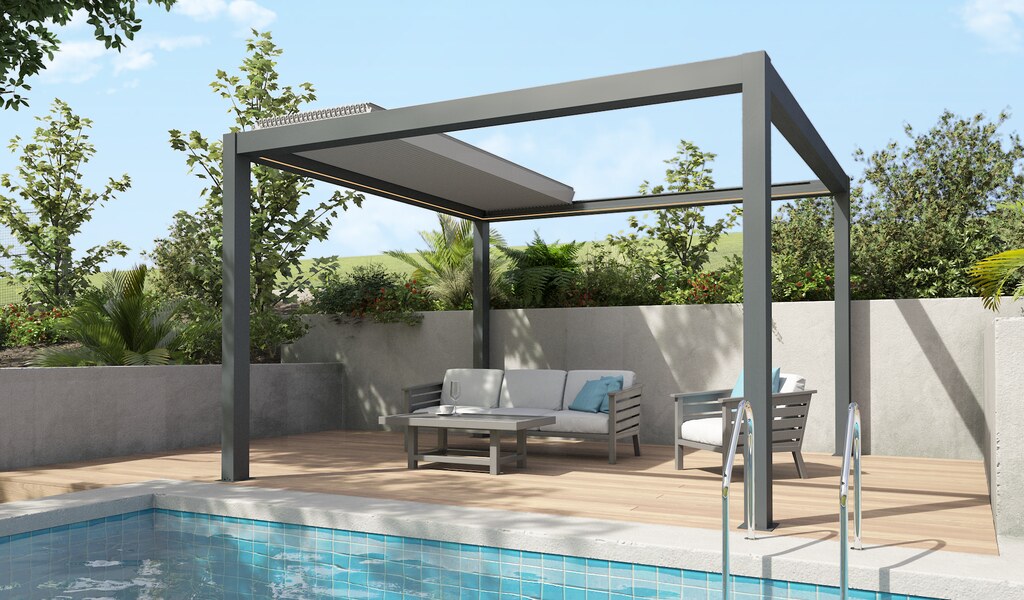



Have you ever paused to think—when you finally decide to install an aluminium pergola in your backyard or a commercial project, expecting a modern, eco-friendly, low-maintenance lifestyle—only to find it warping after a storm, fading within months, or even giving off a strange odor?
At that moment, do you regret not paying closer attention to quality from the start?
That’s exactly the core headache for countless importers:
Can the quality and reliability of aluminium pergolas really be trusted?
This article tackles that question head-on and helps you clearly understand what separates a smart purchase from a costly mistake.
What Value Will You Get from This Article?
A complete, step-by-step evaluation framework from 0 to 1.
No fluff—just practical insights. From material safety and structural durability to supplier selection, real-world applications, actionable checklists, and expert-level techniques. Plus, an FAQ section to address your concerns.
By the end, you’ll be able to confidently evaluate suppliers, control product quality, and avoid letting poor manufacturing damage your brand reputation.
The Core Principle: Three Pillars of Quality & Reliability
Aluminium pergolas are marketed as “healthy + sustainable”—but only when they truly deliver on those promises. These three pillars are non-negotiable:
1. Material Safety: Zero Formaldehyde, Low Heavy Metals, No Carcinogenic Risk
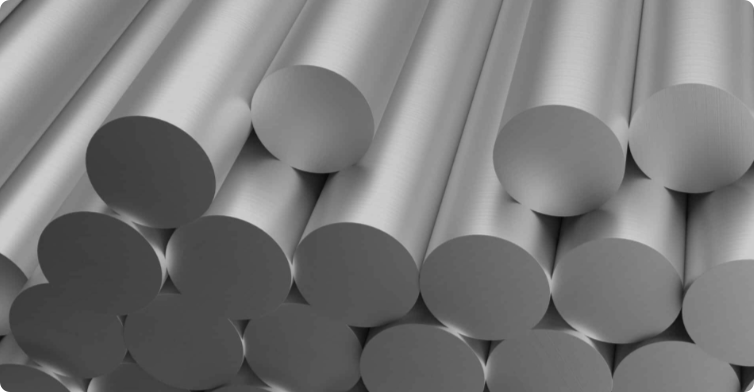
High-quality aluminium pergolas use aerospace-grade aluminium alloys (e.g., 6063-T5), which naturally contain no formaldehyde.
However, risks may come from powder coatings or composite roofing materials, which can emit VOCs (volatile organic compounds).
That’s why importers should always request:
- RoHS, REACH, and SGS test reports
- Verification that heavy metals (lead, cadmium, etc.) are far below local limits
In markets like Australia, standards are even stricter, requiring ultra-low VOC coatings (equivalent to F4-star levels).
Low-quality products often use recycled aluminium or cheap coatings, which may release harmful substances over time—completely undermining the “eco” claim.
2. Structural Durability: Wind, Seismic, and Thermal Performance
A reliable pergola must withstand local environmental extremes:
- Wind resistance: 100–220 km/h
- Snow load: 60–80 cm
- UV resistance: No fading for 20+ years
- Résistance à la corrosion : Especially in coastal areas
The baseline standard:
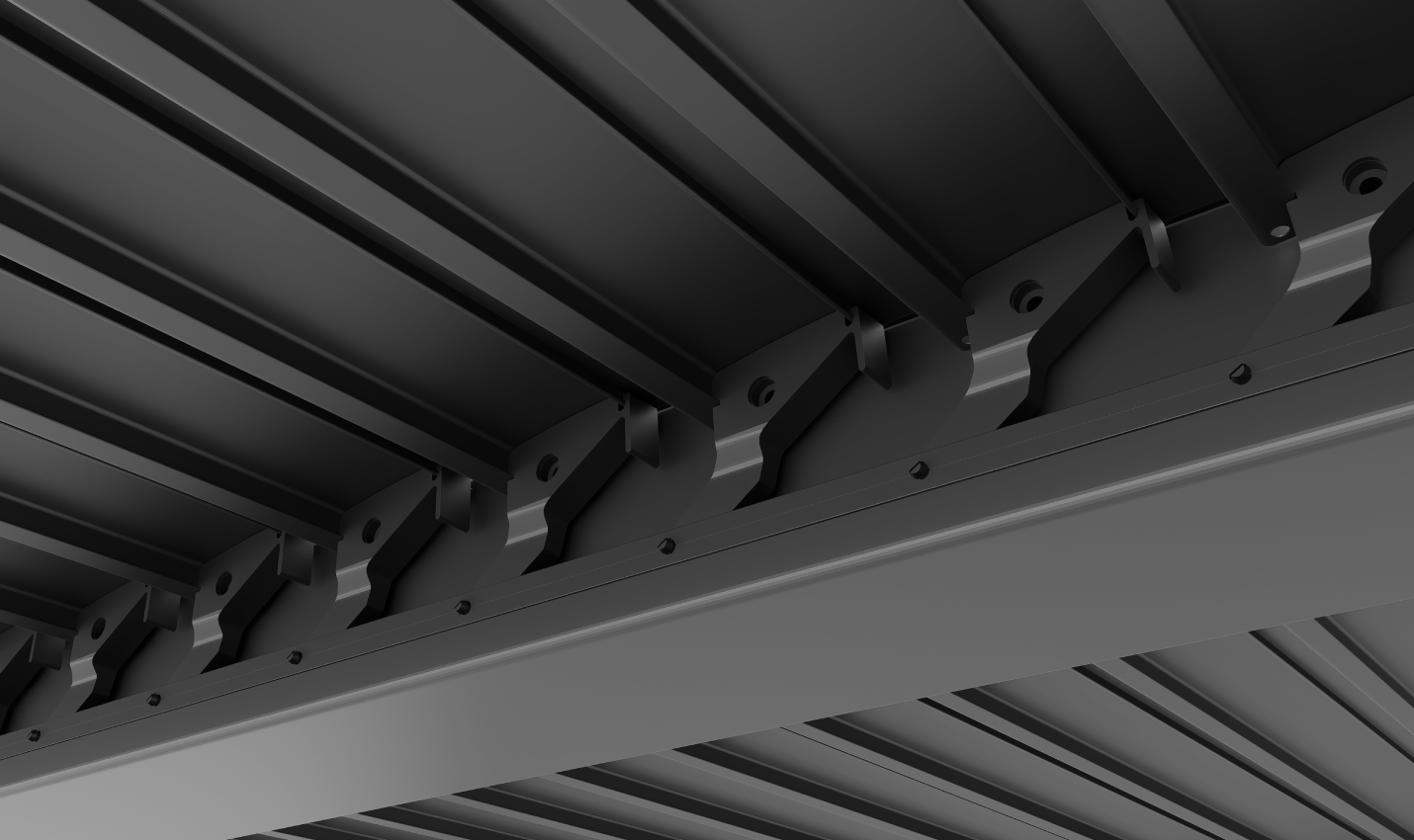
- Main beam and column thickness ≥ 3.0 mm
Thermal insulation and waterproofing depend on roof design (motorized louvers or polycarbonate panels).
Make sure products are backed by:
- Third-party wind tunnel tests
- Salt spray tests for corrosion resistance
Only then can they perform reliably in coastal regions, earthquake zones, or harsh climates.
3. Supplier Selection: Avoid “Low-Quality Manufacturing,” Choose Precision Quality Control
Research shows nearly 70% of importers cite quality issues as their biggest concern.
Many factories claim ISO9001 certification, yet cut corners with thin recycled aluminium or simplified processes.
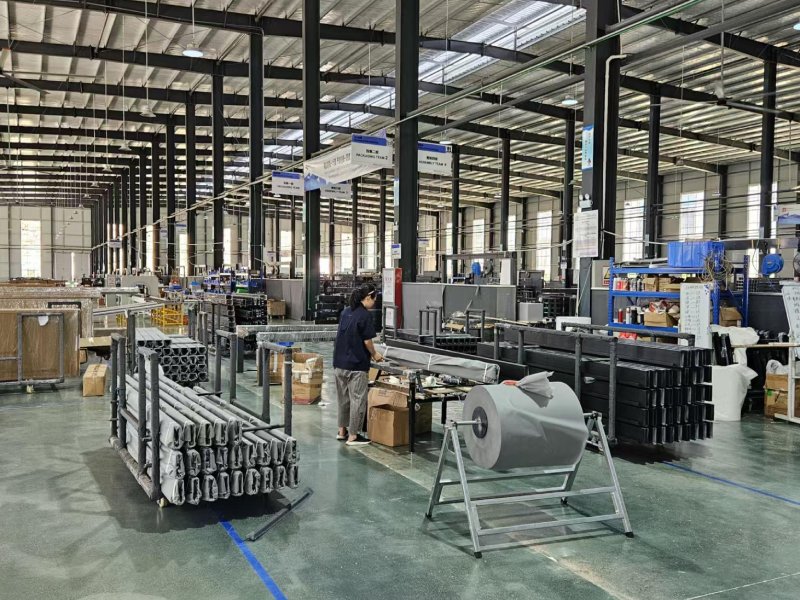
A reliable supplier must implement micro-level quality control, including:
- Strict raw material selection
- Process inspection at every stage
- Elimination of substandard components
Only work with manufacturers holding certifications such as:
- CE, UL, TÜV
- Marine-grade powder coating certifications
This is the only way to avoid bulk returns—or worse, brand damage.
Scenario-Based Guidance: What Matters in Different Use Cases?
- Residential Backyards
Focus on safety and aesthetics.
In Australia, customers prioritize RoHS compliance and coatings that won’t fade for 20 years—especially important for children’s safety. - Commercial Projects (Hotels, Resorts)
Structural performance is critical.
CE certification and wind load reports are essential for project approval in the EU. - Cross-Border Importing (US/Australia)
Concerned about the “Made in China” perception?
Choose factories with UL or equivalent local certifications to align with market expectations. - Extreme Environments (Coastal/Windy Areas)
Prioritize:- Marine-grade powder coating
- Thick aluminium profiles
- Proven 1000+ hours salt spray resistance
Practical Checklist: What You Can Do Right Now
- Request Test Reports
- Third-party inspection (SGS/Intertek)
- VOC levels below local limits
- RoHS compliance
- Wind load certification
- Factory Inspection (On-site or Video)
- Verify raw materials (primary aluminium vs. recycled)
- Measure wall thickness (≥ 3 mm)
- Confirm powder coating process (electrostatic, not spray paint)
- Start with a Trial Order
- Order 1–2 units
- Test for 6 months under real conditions
- Collect user feedback
- Think Beyond Unit Price
Calculate total lifecycle cost:
A high-quality pergola may cost 10–20% more upfront—but delivers 20 years of maintenance-free performance, far outperforming cheaper alternatives.
Advanced Insights: Expert-Level Evaluation
- Material & Coating Technology
6063-T5 aluminium + marine-grade polyester powder coating
Passed salt spray and QUV accelerated aging tests for 20-year durability - Structural Engineering
Professional suppliers provide:- Wind/snow load calculations
- Finite element analysis
- Compliance with Eurocode or AS1170
- Sustainability Loop
Aluminium is 100% recyclable.
Top-tier factories now achieve:- Low-carbon production
- Full REACH compliance
- True closed-loop sustainability
FAQ
Q1: Are aluminium pergolas truly formaldehyde-free?
A: The aluminium structure itself is completely formaldehyde-free. Risks come from coatings—choose RoHS/REACH-certified products to ensure VOC emissions are minimal, often lower than wood pergolas.
Q2: Can Chinese suppliers really guarantee quality?
A: The market is mixed. But by selecting top-tier factories (UL/CE certified, thick materials, marine coatings) and applying strict quality control, risks can be minimized.
Q3: What about typhoons or earthquakes?
A: Check wind load certifications and structural design. High-quality aluminium pergolas are engineered to exceed standard wood structures.
Q4: How do I evaluate coating durability?
A: Request:
- 20-year warranty
- QUV and salt spray test reports
These ensure long-term color stability and corrosion resistance.
Final Thoughts: Choosing the Right Pergola Means Choosing the Right Future
The quality and reliability of an aluminium pergola determine whether it becomes an eco-friendly upgrade—or an expensive lesson.
By applying the principles and methods above, you can avoid 99% of common pitfalls, protect your brand, and deliver a truly sustainable, high-quality product to your customers.
If you’re looking for a reliable aluminium pergola supplier or need a customized quality evaluation report, feel free to reach out. Our team can connect you with rigorously vetted top-tier manufacturers—helping you turn “sustainability” into a real, deliverable value.
Let’s bring a pergola to your backyard that’s not only beautiful—but built to last.