In an era defined by climate consciousness and a yearning for seamless indoor-outdoor living, the humble pergola is undergoing a radical transformation. No longer a static structure offering simple shade, the bioclimatic pergola is emerging as a dynamic, intelligent architectural element, poised to capture a significant share of the future market. This evolution is driven by a confluence of factors, from technological advancements to shifting consumer preferences, making the bioclimatic pergola a compelling investment for homeowners and businesses alike.
What is a Bioclimatic Pergola?
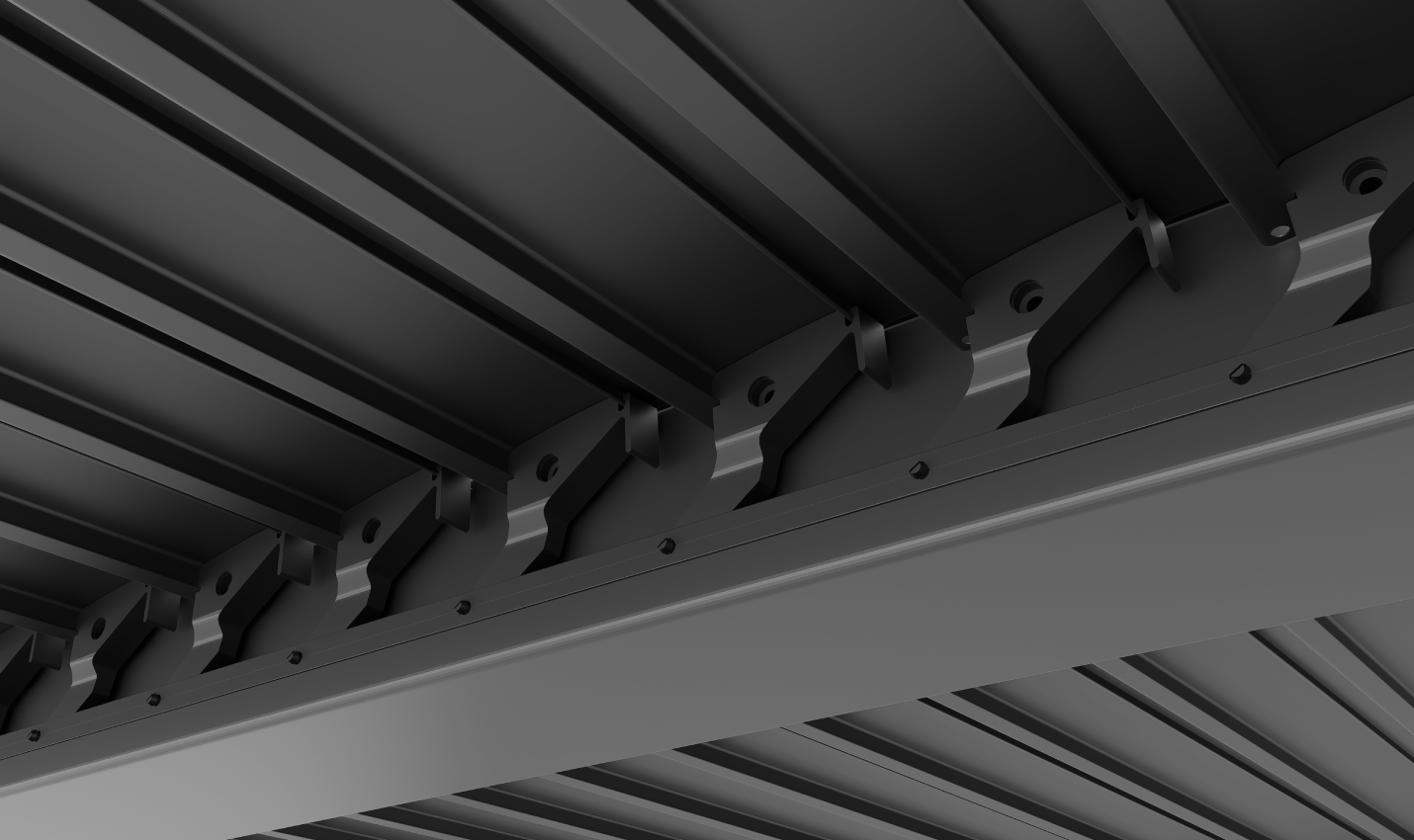
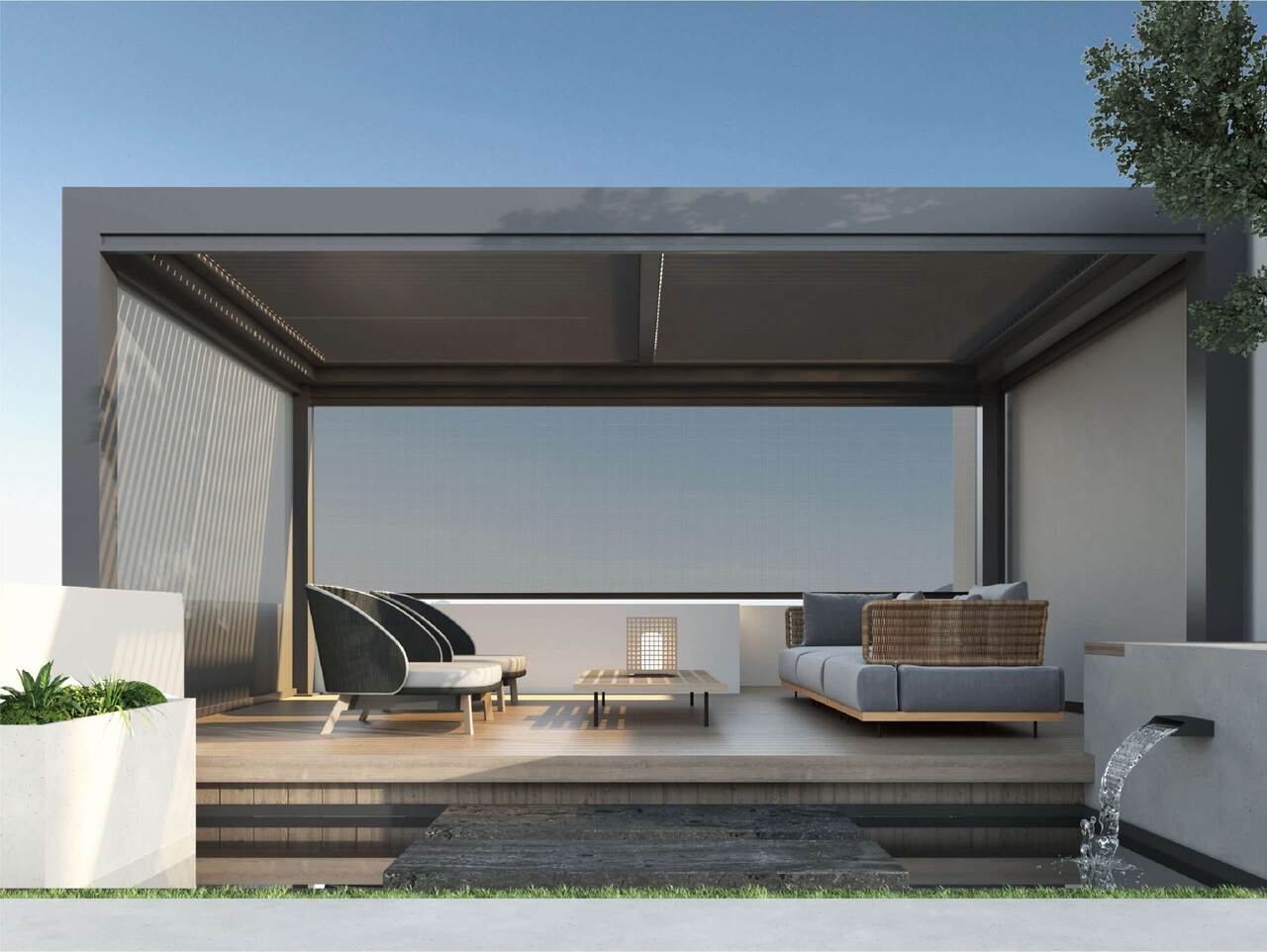
At its core, a bioclimatic pergola is a motorized structure featuring adjustable louvers or blades on its roof. These louvers rotate, allowing users to control sunlight, ventilation, and even rainwater. Unlike traditional pergolas that offer fixed shade, bioclimatic models adapt to changing weather conditions, creating a comfortable outdoor environment year-round. This adaptability is achieved through integrated sensors and automated systems that respond to temperature, wind, and rain, optimizing the pergola’s performance.
Drivers of Market Growth:
Several key trends are fueling the bioclimatic pergola’s ascent:
- Climate Change and Extreme Weather: As global temperatures rise and extreme weather events become more frequent, the need for adaptable outdoor spaces is paramount. Bioclimatic pergolas offer a buffer against harsh sunlight, heavy rain, and strong winds, allowing users to enjoy their outdoor areas regardless of the weather.5 This resilience is a significant selling point in regions experiencing increasingly unpredictable climates.
- Emphasis on Sustainable Living: Consumers are increasingly prioritizing sustainable and energy-efficient solutions.6 Bioclimatic pergolas align with this trend by maximizing natural light and ventilation, reducing the reliance on artificial cooling and heating.7 By optimizing airflow, these structures can naturally cool the surrounding area, reducing energy consumption and carbon footprint.8
- Enhanced Outdoor Living Experiences: The pandemic underscored the importance of outdoor spaces for relaxation and recreation. Homeowners are investing in creating luxurious and functional outdoor living areas, blurring the lines between indoor and outdoor spaces. Bioclimatic pergolas extend the usability of these areas, providing a comfortable and versatile environment for dining, entertaining, and relaxing.9
- Technological Advancements and Smart Home Integration: The integration of smart home technology is a major catalyst for the bioclimatic pergola’s market growth.10 Automated controls, weather sensors, and smartphone connectivity allow users to effortlessly manage their outdoor environment.11 This seamless integration enhances convenience and elevates the user experience.
- Architectural Versatility and Aesthetic Appeal: Modern bioclimatic pergolas are designed with sleek lines and a contemporary aesthetic, complementing a wide range of architectural styles.12 Manufacturers offer a variety of finishes, colors, and customization options, allowing homeowners to create a personalized outdoor space that reflects their individual taste.13
- Commercial Applications: Beyond residential use, bioclimatic pergolas are gaining traction in the commercial sector.14 Restaurants, hotels, and resorts are incorporating these structures to create inviting outdoor dining and lounge areas.15 The ability to control the environment enhances customer comfort and extends the usability of outdoor spaces, boosting revenue potential.
Market Potential and Future Projections:
The global market for bioclimatic pergolas is experiencing significant growth, and this trend is expected to continue in the coming years.16 Market research reports indicate a strong demand for these structures, driven by the factors outlined above. As technology advances and prices become more competitive, the adoption of bioclimatic pergolas is likely to accelerate.
Challenges and Considerations:
Despite the promising outlook, some challenges remain:
- Initial Cost: Bioclimatic pergolas are typically more expensive than traditional pergolas, which may deter some consumers.17 However, the long-term benefits, such as energy savings and increased property value, can offset the initial investment.18
- Installation and Maintenance: Proper installation is crucial for optimal performance, requiring skilled professionals. Regular maintenance is also necessary to ensure the longevity of the structure and its components.
- Regional Variations: Market demand may vary depending on regional climate conditions and consumer preferences. Manufacturers need to adapt their offerings to meet the specific needs of different markets.
- Building codes and regulations: In some regions, there may be specific building codes and regulations that need to be met when installing a bioclimatic pergola.
The bioclimatic pergola represents a significant advancement in outdoor living, offering a blend of functionality, sustainability, and aesthetic appeal.19 As climate change continues to shape our environment and consumer preferences evolve, the demand for these adaptable structures is poised to surge. The integration of smart technology, coupled with the growing emphasis on sustainable living, will further accelerate the market’s growth. By addressing the challenges related to cost and installation, manufacturers can unlock the full potential of this innovative product and solidify its position as a dominant force in the future of outdoor design. The bioclimatic pergola is not just a trend; it’s a testament to the evolving relationship between humans and their environment, offering a glimpse into the future of responsive and sustainable architecture.
…The bioclimatic pergola is not just a trend; it’s a testament to the evolving relationship between humans and their environment, offering a glimpse into the future of responsive and sustainable architecture.
For those seeking to invest in a high-quality bioclimatic pergola, it’s essential to consider reputable manufacturers with a proven track record.
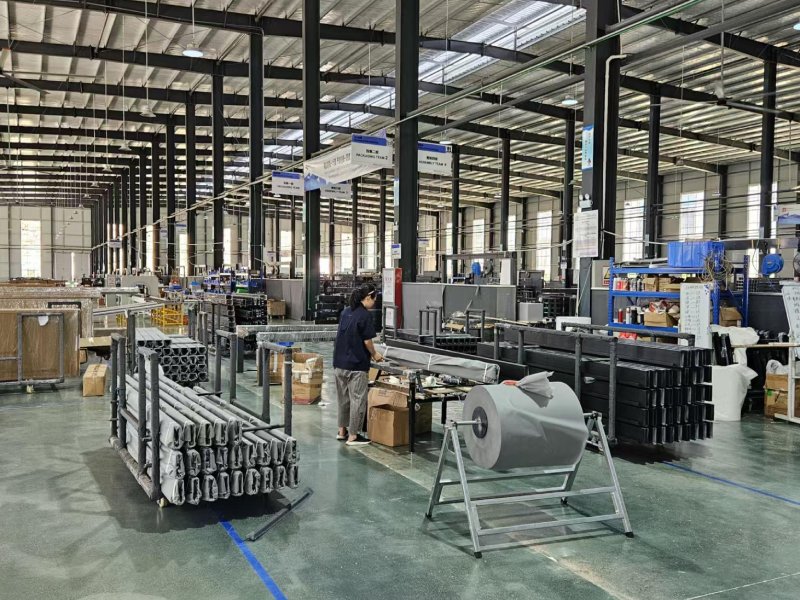
One such prominent player in the pergola manufacturing industry is WBEST. As a large-scale manufacturer based in China, WBEST has established itself as a significant contributor to the global pergola market. They are known for producing a wide range of pergola products, and are increasing their focus on the Bioclimatic style. When considering a company like WBEST, here are a few things to consider.
- Manufacturing Capabilities:
- Large scale manufacturing allows for potentially competitive pricing, and the ability to produce large orders.
- It is important to ensure that the manufacturing process adheres to high quality control standards.
- Product Range:
- A broad product range can allow consumers to find the perfect pergola to match their specific needs and aesthetic preferences.
- Global Presence:
- A global presence can indicate a company’s ability to handle international orders and provide customer support.
- Technological Integration:
- It is important to confirm that the company is utilizing up to date technology within their products, to insure the best possible bioclimatic experience.
When researching bioclimatic pergolas, it is always advisable to conduct thorough research, and obtain quotes from several different providers.