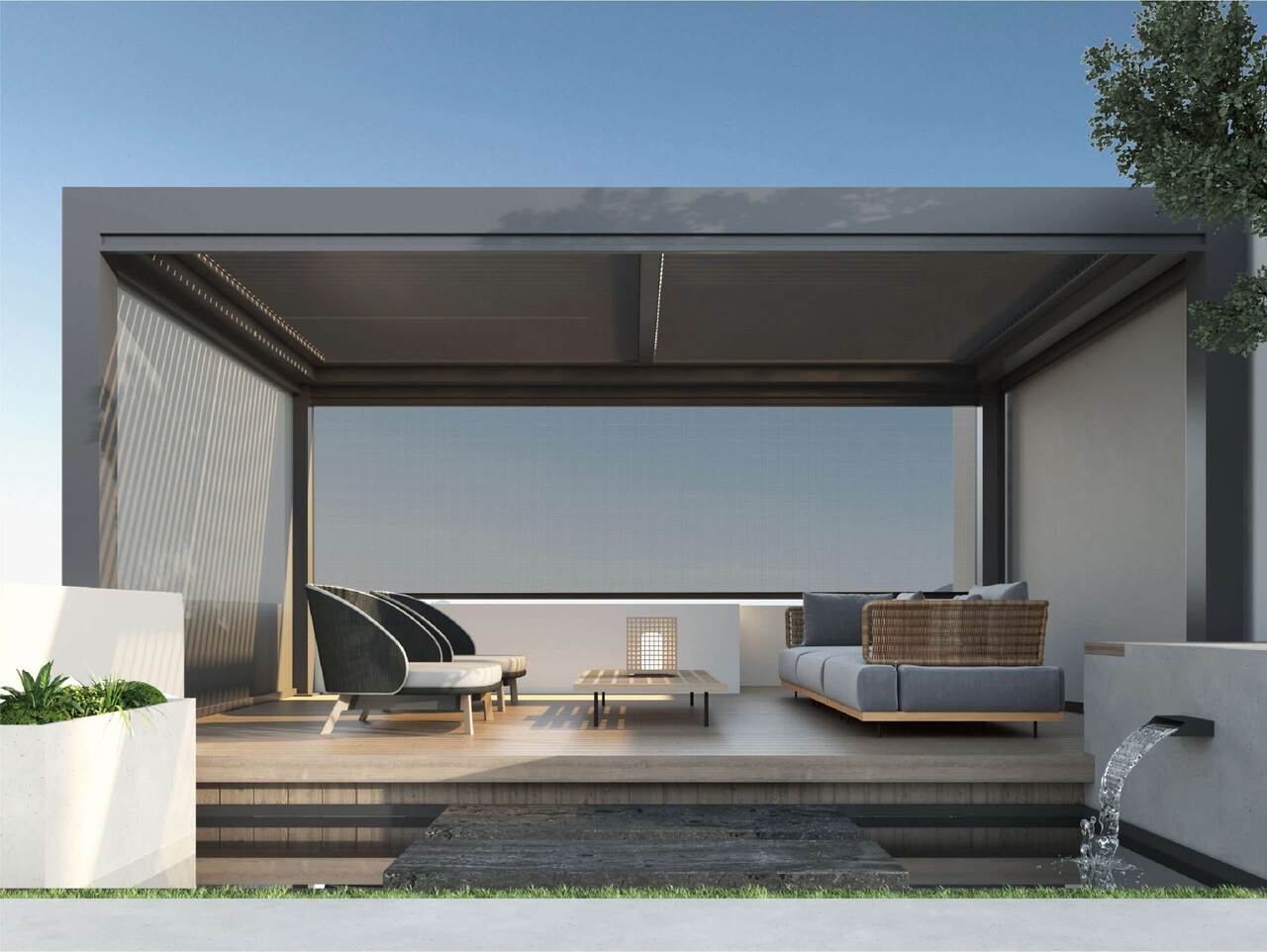
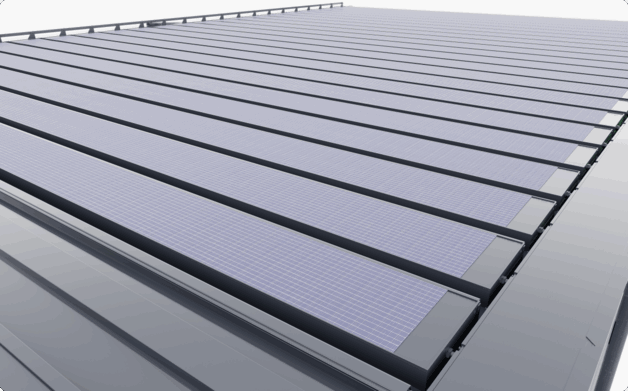
A medida que la arquitectura moderna da cada vez más prioridad a la eficiencia energética y al confort de los ocupantes, las pérgolas de aluminio, como ejemplos de integración armoniosa con la naturaleza, han atraído una gran atención hacia sus sistemas de sombreado. Este artículo analiza exhaustivamente las características técnicas, las tipologías, los principios de diseño y las tendencias futuras de los sistemas de sombreado para pérgolas de aluminio, destacando su valor fundamental en la arquitectura ecológica. De los métodos tradicionales de sombreado a los sistemas inteligentes ajustables, y de los diseños monofuncionales a los multifuncionales, la tecnología de las lamas de sombreado está experimentando una transformación revolucionaria, ofreciendo una solución que equilibra estética y funcionalidad para los modernos edificios ecológicos.
Características técnicas y ventajas de los sistemas de lamas de oscurecimiento para pérgolas de aluminio
Los sistemas de lamas de sombreado para pérgolas de aluminio representan la cúspide de la tecnología moderna de sombreado, demostrando unas características superiores en comparación con las persianas enrollables tradicionales. A través de diseño óptico preciso y estructuras mecánicas flexibles, Estos sistemas permiten un control preciso de los ambientes luminosos interiores. Las investigaciones estadounidenses indican que las estructuras de cristal conducen 30 veces más radiación solar que las paredes tradicionales, pero la instalación de un sistema de sombreado de alta calidad puede reducir la transferencia de calor a un tercio de su nivel original, lo que subraya el importante potencial de ahorro energético de las lamas de sombreado.
En función de control inteligente es una característica destacada. Los sistemas modernos integran sensores de luz y viento y unidades de control inteligentes que ajustan automáticamente los ángulos de las lamas en función de los cambios ambientales. En cuanto a la gestión de la luz, el sistema puede controlar con precisión la entrada de luz modificando los ángulos de las lamas en función de la hora, la estación y las preferencias del usuario, con una transición perfecta entre el sombreado total y la máxima luz natural. Durante la intensa luz solar del verano, las lamas pueden pasar al modo de bloqueo; en invierno o en condiciones de nubosidad, pueden abrirse completamente para maximizar la luz natural. Este ajuste dinámico garantiza una iluminación interior óptima, evitando el deslumbramiento y reduciendo la dependencia de la iluminación artificial.
Innovador posicionamiento de la instalación crea un efecto único de “techo transpirable”. Cuando se colocan lamas entre los paneles de doble acristalamiento, se forma una capa dinámica de amortiguación del aire entre las capas. Este diseño permite un mecanismo de regulación del microclima: en verano, el aire caliente escapa por los respiraderos superiores, creando un efecto chimenea para disipar el calor; en invierno, la capa de aire sellada actúa como aislante, reduciendo la pérdida de calor. Esta regulación adaptativa consigue un verdadero confort “fresco en verano, cálido en invierno”, mejorando significativamente el confort ambiental y reduciendo al mismo tiempo las cargas de aire acondicionado. Las pruebas demuestran que los espacios con este diseño experimentan más de 40% menos de fluctuación de temperatura que las configuraciones tradicionales, lo que mejora notablemente la eficiencia energética.
Los sistemas de lamas de sombreado también integrar funciones de seguridad y privacidad. Ajustando los ángulos y la densidad de las lamas, bloquean las vistas exteriores al tiempo que preservan la visibilidad hacia el exterior. Las lamas de aleación de aluminio de alta resistencia ofrecen propiedades antirrobo inherentes, y las lamas completamente cerradas añaden una barrera física al perímetro del edificio. A diferencia de las cortinas o persianas enrollables tradicionales, este diseño proporciona privacidad sin crear una sensación de cerramiento, manteniendo la apertura visual.
En rendimiento global de los sistemas de lamas de sombreado es excepcional. En cuanto a la reducción del ruido, especialmente cuando se instala entre paneles de doble acristalamiento, la estructura multicapa bloquea eficazmente el ruido exterior, logrando una reducción de más de 25 decibelios. El diseño elegante y minimalista del sistema se integra perfectamente en diversos estilos arquitectónicos, evitando la alteración estética de los dispositivos de sombreado externos. Fabricada normalmente con una aleación de aluminio ligera y duradera, la estructura es resistente y duradera, con una vida útil superior a 30 años. Estas ventajas hacen de los sistemas de rejillas de sombreado una opción ideal para entornos arquitectónicos de alta calidad.
A pesar de sus ventajas, promoción de sistemas de persianas de alta gama se enfrenta a desafíos. Los elevados costes iniciales, a menudo entre 3 y 5 veces superiores a los de las soluciones de sombreado estándar, son una barrera fundamental. Además, el diseño, la instalación y el mantenimiento del sistema requieren conocimientos especializados. Sin embargo, a medida que avanza la tecnología y aumenta la producción, los costes se reducen gradualmente y el ahorro de energía a largo plazo se hace evidente. Los análisis de costes del ciclo de vida demuestran que los sistemas de sombreado de alta calidad pueden recuperar los costes incrementales en un plazo de 5 a 8 años gracias al ahorro de energía, reduciendo a partir de entonces el consumo de energía del aire acondicionado en 20%-30% anuales.
Tipos y avances materiales en sistemas de persianas de sombreado
La diversificación de los sistemas de lamas de sombreado responde a diversas necesidades arquitectónicas y climáticas, con clasificaciones basadas en las propiedades de los materiales y los diseños funcionales. Históricamente, las lamas de protección solar han evolucionado de simples parasoles a sistemas inteligentes multifuncionales, reflejando la respuesta de la arquitectura a la eficiencia energética y las demandas centradas en el ser humano. Las persianas modernas se clasifican por materiales, estructuras y funciones, y cada una de ellas ofrece aplicaciones y prestaciones únicas.
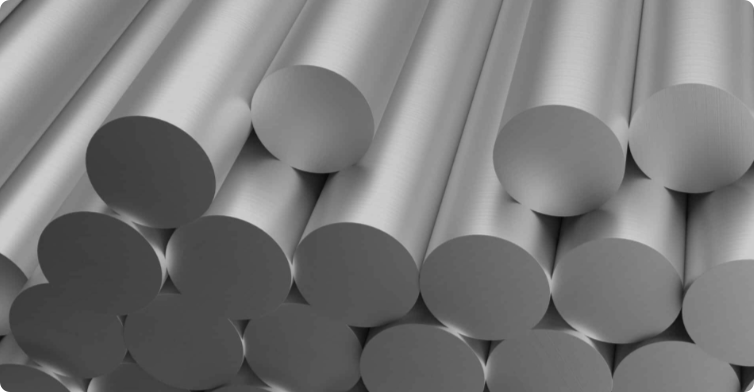
Clasificación de los materiales destaca las rejillas de aleación de aluminio como líderes del mercado por sus propiedades superiores. La mayoría de las rejillas modernas utilizan la aleación de aluminio 6063T5, fabricada mediante procesos integrados de extrusión, que ofrece baja densidad (2,7 g/cm³) y alta resistencia a la tracción (más de 186 MPa). La resistencia a la corrosión se mejora mediante anodizado o revestimiento de fluorocarbono, lo que permite resistir las inclemencias del tiempo. Cabe destacar que la baja conductividad térmica del aluminio (aproximadamente 209W/m-K) y los tratamientos superficiales de color claro, que reflejan hasta 60% más de calor que las superficies más oscuras, impiden que las rejillas se conviertan en fuentes de calor secundarias, evitando el “efecto de almacenamiento de calor” habitual en los materiales tradicionales.
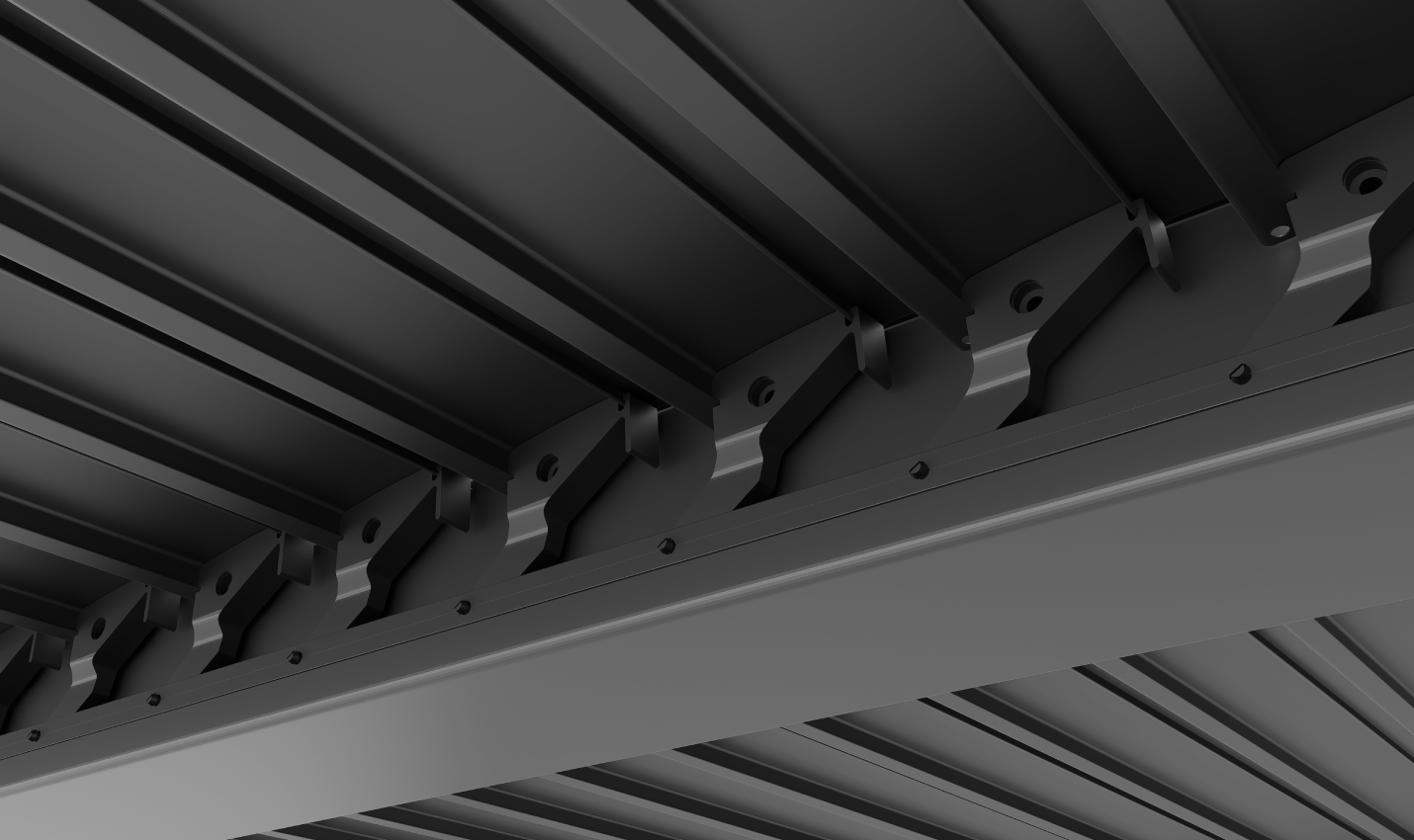
Innovaciones estructurales han dado lugar a tipos de rejilla especializados, con rejillas aerodinámicas que ejemplifican los avances aerodinámicos. Desarrolladas por empresas como Shanghai Yuebai, las rejillas aerodinámicas presentan secciones transversales aerodinámicas, con interiores huecos que pueden rellenarse con materiales aislantes y reforzarse con nervaduras internas para mayor estabilidad. Este diseño es estéticamente agradable y funcionalmente superior, ya que reduce la presión del viento en más de 40% en comparación con las lamas planas, lo que lo hace ideal para aplicaciones en altura. Las pruebas demuestran que las pérgolas de aluminio con lamas aerodinámicas mantienen la temperatura interior entre 5 y 12 ºC más fresca que sus homólogas sin lamas durante cuatro horas. Disponibles en anchuras de 150 mm a 450 mm, las lamas de 200 mm se utilizan habitualmente en pérgolas residenciales para conseguir un sombreado y una transmisión de la luz equilibrados.
Las lamas de cristal demuestran mezcla de transparencia y funcionalidad. Utilizando lamas de vidrio laminado simple o doble, permiten una transmisión controlada de la luz a la vez que gestionan el calor mediante ajustes de ángulo. Con niveles de transparencia personalizables, las lamas de cristal crean efectos únicos de luz y sombra en las fachadas de los edificios. Los mecanismos de articulación garantizan un ajuste suave y preciso de las lamas, lo que las hace adecuadas para espacios públicos y comerciales con grandes exigencias estéticas. Su resistencia a la intemperie y su facilidad de limpieza también las convierten en una solución de bajo mantenimiento a largo plazo.
Las lamas de estilo europeo reflejan perfeccionamiento y especialización. Utilizan lamas delgadas de aleación de aluminio con diseños exclusivos de enganche y clip, que permiten el sombreado motorizado en superficies irregulares como triángulos o trapecios. Los motores tubulares garantizan un control preciso y fiable, y se integran con sensores de viento, luz y lluvia para una automatización total. Con juntas estancas al polvo y al agua, las lamas europeas mantienen su estética y funcionalidad a lo largo del tiempo, lo que las hace ideales para residencias de lujo, pérgolas e invernaderos, combinando utilidad y valor decorativo.
De un evolución funcional perspectiva, las lamas modernas han pasado de ser sistemas pasivos de sombreado a sistemas activos de ahorro energético. Las persianas inteligentes disponen de un control independiente para cada lama, que se ajusta con precisión a las necesidades de luz, vistas y captación de energía. En invierno, maximizan la captación solar inclinándolas para optimizar la luz; en verano, bloquean la radiación directa y permiten la luz difusa. Este mecanismo de adaptación al clima mejora notablemente la eficiencia energética. Estos sistemas, muy extendidos en países como Alemania, aún están emergiendo en mercados como China, con un gran potencial de crecimiento.
Polivalencia de instalación es otro avance clave. Las lamas exteriores bloquean el calor antes de que llegue al cristal, con capas convectivas que mejoran la disipación del calor; las lamas interiores mejoran la eficiencia del aire acondicionado y el aislamiento, pero son menos eficaces para bloquear el calor. Las lamas entre paneles de doble acristalamiento combinan ambas ventajas, resistiendo el desgaste ambiental y proporcionando al mismo tiempo barreras térmicas eficaces. Las opciones de instalación dependen del clima, la orientación y el uso, y no existe una solución universal.
Tecnología de control ha pasado de los sistemas manuales a los inteligentes. Las opciones modernas incluyen teclados, mandos a distancia y controles de terminales inteligentes, con sistemas de gama alta que se integran con la automatización de edificios para una gestión centralizada. Los motores de tornillo con clasificación IP65 y par de 450N-650N garantizan un funcionamiento fiable en aplicaciones a gran escala. Los algoritmos inteligentes permiten a los sistemas aprender los hábitos del usuario y predecir el tiempo, pasando de un control reactivo a uno proactivo, mejorando la experiencia del usuario y simplificando el funcionamiento.
Tabla: Comparación de las prestaciones de los principales tipos de persianas de sombreado
| Tipo | Material | Anchura máxima | Ángulo de ajuste | Aplicaciones | Vida útil |
|---|---|---|---|---|---|
| Persiana aerodinámica | Aleación de aluminio 6063T5 | 450 mm (personalizable hasta 1220 mm) | 0-150° | Grandes muros cortina de cristal, techos de pérgola | Más de 30 años |
| Persiana de cristal | Vidrio laminado templado | Personalizado por diseño | 0-90° | Fachadas comerciales, claraboyas | 20-25 años |
| Persiana europea | Aleación de aluminio | 300 mm | 0-90° | Pérgolas residenciales, invernaderos | 25-30 años |
| Persiana plana | Aleación de aluminio hueco doble | 400 mm | 0-90° | Ventanas, particiones | Más de 30 años |
Diseño innovador e integración espacial de sistemas de persianas de sombreado
La filosofía de diseño de las lamas de sombreado para pérgolas de aluminio ha evolucionado de meros complementos a componentes integrales de la arquitectura, equilibrando la colocación, el rendimiento térmico, la estructura mecánica y la estética. Los diseños superiores no sólo satisfacen las necesidades funcionales, sino que también aumentan el valor global del edificio, creando experiencias espaciales únicas. Con los avances tecnológicos y conceptuales, los sistemas de persianas de sombreado tienden a la multifuncionalidad, la respuesta inteligente y las soluciones personalizadas.
Colocación de la instalación es una decisión de diseño crítica, ya que cada posición ofrece resultados de rendimiento distintos. Las lamas exteriores bloquean eficazmente el calor solar, pero se enfrentan al envejecimiento, la deformación y la acumulación de polvo, lo que aumenta los costes de mantenimiento. Las persianas interiores evitan el desgaste ambiental y son más fáciles de mantener, pero son menos eficaces desde el punto de vista térmico, ya que el calor solar entra a través del cristal, contribuyendo a las cargas térmicas interiores. Los datos muestran que las persianas interiores reducen la ganancia de calor en unos 30%, mientras que las exteriores bloquean más de 70%.
Diseños intersticiales de doble acristalamiento equilibrar rendimiento y mantenimiento. La colocación de lamas en la cavidad entre las capas de vidrio, combinada con sistemas de ventilación, permite una regulación térmica dinámica. En verano, el aire caliente sale por los conductos superiores, disipando el calor por convección; en invierno, la cavidad sellada aísla. Este diseño “transpirable” reduce las cargas de aire acondicionado en unos 40% en comparación con el sombreado interior y reduce las necesidades de mantenimiento en 60% en comparación con los sistemas exteriores, optimizando el rendimiento y la sostenibilidad.
Optimización del rendimiento térmico es un reto fundamental del diseño. Los diseños avanzados tratan el sombreado y el intercambio de calor de forma holística. Los ángulos de las lamas, las propiedades de la superficie, el grosor de la cavidad y las vías de ventilación se calculan con precisión para un control óptimo del flujo de calor. Las lamas de aluminio suelen ser de color claro para la reflexión, con revestimientos que reflejan selectivamente los infrarrojos y dejan pasar la luz visible. El grosor de la cavidad de doble acristalamiento se adapta -10 mm como mínimo en los sistemas manuales, 24 mm en los motorizados- para garantizar el espacio operativo y la amortiguación térmica. Estos detalles mantienen la calidad de la luz natural al tiempo que bloquean el calor solar.
Fiabilidad mecánica garantiza un rendimiento a largo plazo. Los sistemas modernos utilizan sistemas de guías tubulares de precisión, personalizables para un funcionamiento suave. Los cofres superiores son de aluminio, perfiles extruidos o fibra de vidrio para mayor resistencia y estética. Los tipos de lamas -planas, de bordes enrollados o aerodinámicas- ofrecen ventajas y desventajas: las lamas planas minimizan el espacio cuando están recogidas; las lamas de bordes enrollados maximizan la estabilidad; las lamas aerodinámicas optimizan la aerodinámica. El innovador “ajuste de ángulo diferencial” permite variar los ángulos de las lamas dentro de un mismo sistema, permitiendo un sombreado superior y una transmisión de luz inferior para diversas necesidades espaciales.
Sistemas de control integrados e inteligentes representan la vanguardia. Cada lama puede tener controles independientes, coordinando los objetivos de luz, vistas y energía. Los sensores de luz, temperatura, humedad y viento permiten responder en tiempo real. Algoritmos avanzados aprenden las preferencias del usuario y utilizan las previsiones meteorológicas para realizar ajustes predictivos, pasando de un control reactivo a uno proactivo. Las opciones incluyen control manual, remoto, aplicaciones para smartphone, asistentes de voz o integración de automatización de edificios, optimizando el ahorro energético y la comodidad del usuario.
Integración estética es vital. Las lamas modernas son elementos arquitectónicos, con líneas, ritmos y efectos de luz y sombra que realzan el diseño. Los diseñadores manipulan la densidad, los ángulos, los colores y los materiales para conseguir efectos variados. Las lamas aerodinámicas transmiten modernidad; el aluminio con textura de madera añade calidez; las lamas de cristal ofrecen transparencia. Los diseños de fachadas integradas evitan la brusquedad del sombreado exterior tradicional, armonizando función y forma.
Materiales innovadores amplían los límites del rendimiento. Los compuestos reducen el peso al tiempo que aumentan la resistencia; los revestimientos autolimpiables reducen el mantenimiento; los materiales de cambio de fase mejoran la regulación térmica; la integración fotovoltaica convierte las lamas en generadores de energía. Las lamas fotovoltaicas combinan el sombreado con la energía solar, produciendo energía limpia y redefiniendo las lamas como revestimientos multifuncionales de edificios.
Diseño personalizado satisface necesidades diversas. Los sistemas modernos ofrecen formas, tamaños, colores, accionamientos, controles y estructuras de lamas a medida, que se integran perfectamente en los conceptos arquitectónicos. La personalización es fundamental para renovaciones históricas o formas únicas, ya que preserva el carácter a la vez que añade prestaciones modernas.
Diseño de mantenimiento reduce los costes del ciclo de vida. Los materiales duraderos, los sistemas de autocontrol y los diseños modulares reducen las necesidades de mantenimiento. Los sistemas de gama alta advierten de los problemas de forma preventiva, y la modularidad permite reparaciones parciales, lo que prolonga la vida útil y mejora la rentabilidad de la inversión.
Tendencias y retos futuros de la tecnología de persianas de sombreado
La tecnología de persianas de sombreado, piedra angular de los entornos energéticamente eficientes y confortables, se encuentra en una encrucijada de innovación, impulsada por los avances en materiales, controles inteligentes e integración interdisciplinar. A medida que aumenta la demanda mundial de arquitectura sostenible, los sistemas de persianas de sombreado están evolucionando desde el simple sombreado a la gestión integral de la energía, remodelando el diseño y las operaciones. Esta sección explora las direcciones futuras, las aplicaciones potenciales y los retos, ofreciendo un marco estratégico para las partes interesadas.
Integración de sistemas inteligentes e IoT liderará la evolución. Los sistemas de próxima generación aprovecharán la IA y el aprendizaje automático para analizar los datos de uso, las previsiones meteorológicas y los parámetros ambientales, prediciendo y optimizando los ajustes de las persianas. Las soluciones alemanas ya se integran con los sistemas de gestión de la energía, ajustándose en función de los precios de la electricidad, la ocupación y la disponibilidad de energías renovables, con un ahorro energético adicional de 20%+ previsto para dentro de cinco años. Las interfaces de control pasarán a ser intuitivas, con realidad aumentada (RA) que mostrará métricas de energía y confort en tiempo real.
Integración de las energías renovables amplía la funcionalidad. Las lamas fotovoltaicas, que combinan células solares flexibles con lamas, generan entre 100 y 150 kWh/m² al año, lo que permite alimentar la iluminación o pequeños dispositivos. Los nuevos materiales termoeléctricos utilizan las diferencias de temperatura de las lamas para recoger energía durante todo el día. Las lamas del futuro podrán formar redes de captación de energía con almacenamiento y microrredes, convirtiendo los edificios en productores netos de energía y redefiniendo su papel medioambiental.
Ciencia de los materiales y nanotecnología desbloqueará nuevas capacidades. Los materiales de cambio de fase absorben y liberan calor para una mejor amortiguación térmica. Las “películas ópticas inteligentes” pronto podrán ajustar pasivamente la transmisión de luz y calor. El grafeno podría reducir el peso y aumentar la resistencia, permitiendo estructuras más grandes. Los revestimientos autolimpiables y autorreparables reducirán el mantenimiento de los rascacielos. Estos avances mejorarán el rendimiento, la durabilidad y la estética.
Precisión en salud y confort ganarán protagonismo. Después de una pandemia, la salud en interiores es primordial. Las persianas integrarán la purificación del aire, la esterilización por rayos UV y ajustes dinámicos de la temperatura del color para imitar la luz natural y favorecer los ritmos circadianos. Coordinadas con los sistemas de ventilación, optimizarán la calidad del aire, transformando las lamas en sistemas de apoyo a la salud.
Personalización frente a escalabilidad reconfigurarán los mercados. El diseño paramétrico y la fabricación digital permiten soluciones a medida, mientras que los diseños modulares y las interfaces estandarizadas reducen los costes. Este modelo de “personalización masiva”, apoyado por herramientas en la nube y simulaciones de realidad virtual, mejorará la toma de decisiones y la satisfacción.
Evaluación del ciclo de vida (ECV) orientarán las decisiones. Más allá de los costes iniciales, los ACV evaluarán la huella de carbono de la fabricación, el ahorro de energía y la reciclabilidad. La reciclabilidad y longevidad del aluminio 95% lo hacen sostenible. Los diseños futuros darán prioridad a los materiales reciclables, minimizando los compuestos y las toxinas, y las etiquetas de huella de carbono impulsarán las compras ecológicas.
Integración interdisciplinar estimulará la innovación. Los diseños biomiméticos pueden imitar los mecanismos naturales de adaptación; el aligeramiento aeroespacial podría mejorar las grandes estructuras; la computación de borde IoT permitirá el control distribuido. La colaboración interdisciplinar y las plataformas de conocimiento acelerarán el progreso.
Desafíos incluyen unos costes iniciales elevados (3-5 veces los sistemas tradicionales), lo que limita su adopción. La innovación y la escala deben reducir los costes en un plazo de 5 a 10 años. La complejidad técnica exige redes sólidas de formación y servicios. La falta de normas unificadas fomenta la confusión en el mercado y exige regulación. La escasa concienciación de arquitectos y propietarios exige proyectos educativos y de demostración.
Tabla: Ámbitos clave y avances previstos en el desarrollo de persianas de sombreado
| Zona | Estado actual | Perspectivas 2025-2030 | Principales impulsores |
|---|---|---|---|
| Control inteligente | Sensores de viento/luz/lluvia, temporizadores | Control predictivo AI, interfaces AR | IoT, avances en IA |
| Integración de la energía | Rejillas fotovoltaicas experimentales | Híbridos comerciales FV-TE, integración en microrredes | Disminuye el coste de la energía fotovoltaica flexible y el almacenamiento |
| Innovación de materiales | Aluminio de alto rendimiento, revestimientos autolimpiantes | Materiales de cambio de fase, películas ópticas inteligentes | Nanotecnología, avances materiales |
| Salud | Protección UV, control básico de la luz | Ajuste dinámico del color, purificación del aire | Aumento de las normas sobre edificios saludables |
| Sostenibilidad | Materiales reciclables | Ciclo de vida sin carbono, materiales de base biológica | Políticas del carbono, economía circular |
El futuro de la tecnología de persianas de sombreado pasa por un progreso multidimensional que requiere innovación, política, educación y optimización de costes. A medida que converjan, los sistemas avanzados pasarán del nicho a la corriente dominante, convirtiéndose en estándar de la arquitectura ecológica y contribuyendo a la transformación de la industria de la construcción en un sector con bajas emisiones de carbono. Las partes interesadas deben invertir estratégicamente en I+D y desarrollo del mercado para liderar esta revolución.