


Have you ever been sitting under your beloved aluminum pergola on a pleasant afternoon, gazing at its elegant columns and louvers, and suddenly thought: “How exactly should I maintain this structure that’s exposed to wind, sun, and rain so it stays beautiful and functional for years to come?”
If you’ve ever had that question, you’re in the right place. Today’s guide is written just for you. We won’t dive into complicated theories — instead, we’ll give you a complete, practical maintenance checklist covering everything from the roof to the ground, and from daily cleaning to annual care. After reading this, you’ll know your pergola inside and out and master a systematic approach to keeping it looking young and fresh for a long time.
Core Maintenance Principles: Understand the “Why” and “When”
Before we get into the specific parts, master these three core principles. They will make all your maintenance efforts twice as effective:
- “Frequent Inspection” beats “Big Repairs”: Quick, regular visual checks are far easier and cheaper than dealing with problems after they’ve gotten worse. Make inspections part of your daily routine.
- “Prevention” is more important than “Cure”: The heart of maintenance is preventing issues. Keeping drainage clear, removing corrosive debris promptly, and tightening loose screws all help stop small problems from turning into big headaches.
- “Different Parts, Different Rhythms”: Just like maintaining a car, the engine and tires have different service schedules. The same applies to your pergola. Moving parts (such as louvers) need far more frequent attention than fixed structures (such as columns).
Scenario-Based Maintenance Guide: Create a “Health Check Schedule” for Your Pergola
Now let’s apply the principles above to each key part of your aluminum pergola. Remember, this is a general guide — feel free to adjust the frequency based on your local climate (coastal, rainy, dusty, etc.).
1. Moving Parts (Louver System, Doors & Windows) — Maintenance Frequency: High (Monthly/Quarterly)
- Why: These are the mechanical core of the structure and are most prone to sticking, unusual noises, or wear due to dust, moisture, and friction.
- Monthly Tasks: Manually open and close the louvers several times to check for smooth operation and listen for any strange sounds. Wipe dust off the louver surfaces with a dry, soft cloth.
- Quarterly Tasks: Use a vacuum cleaner with a narrow nozzle to remove sand and debris from the tracks. Check and tighten screws and hinges on louvers, doors, and windows. Apply a small amount of specialized silicone-based lubricant to the tracks and moving joints (remember: a little goes a long way).
- Annual Tasks: Clean the motor vents (if you have electric louvers) and check the weatherstripping seals. Replace any that have hardened or lost elasticity.
2. Roof and Wall Panels — Maintenance Frequency: Medium (Seasonal/Annual)
- Why: They bear the direct impact of sun, wind, and rain. The main risks are dust buildup, stains, and blocked drainage.
- Every Season: Pay special attention to the gutters and downspouts. Clear away leaves, twigs, and debris to ensure perfect drainage during the rainy season.
- Every Six Months: Rinse or wipe the roof and wall panels from top to bottom using clean water or a mild detergent solution. Inspect the surface coating for any peeling or scratches.
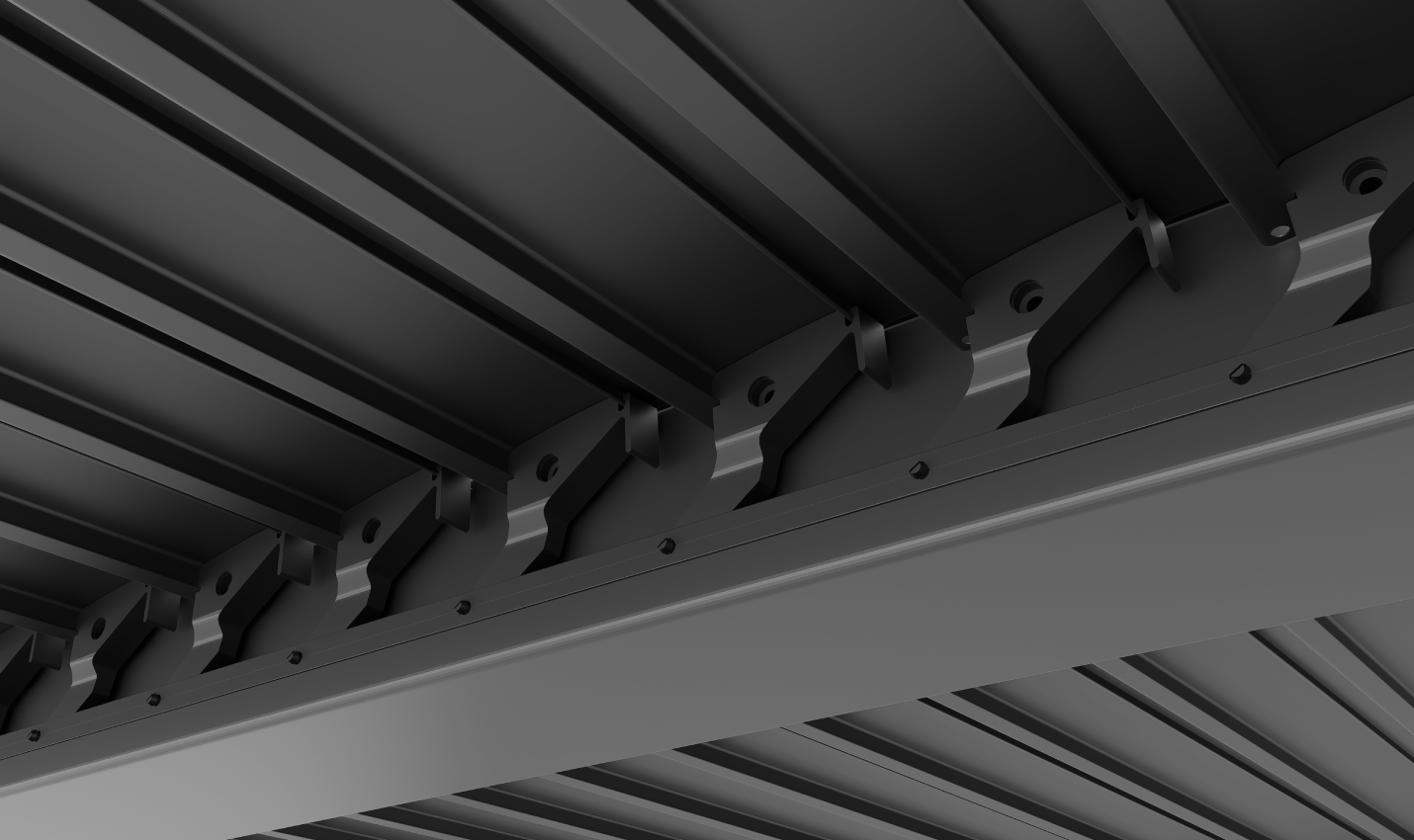
- Annual Tasks: Perform a thorough inspection, focusing on the seams between roof panels, checking for loose fasteners, and looking for cracked or missing sealant.
3. Structural Frame and Connections (Columns, Beams, Joints) — Maintenance Frequency: Low (Annual / After Extreme Weather)
- Why: These form the safety foundation. While problems are rare, when they occur, they can be serious.
- Annual Tasks: Carefully check all bolts connecting columns to the ground and beams to columns for tightness and signs of rust. Gently push the structure to test overall stability.
- After Severe Weather: Immediately after typhoons, heavy snow, or other extreme conditions, inspect the entire structure for visible deformation, tilting, or loose connections.
Practical Tips: A Ready-to-Use Action Checklist
- Cleaning: Always start with clean water, a soft cloth, and mild detergent. For stubborn stains, soak them first with mild detergent to soften, then gently wipe. Never use steel wool, strong acids (like toilet cleaner), strong alkalis, or organic solvents.
- Lubrication: Use specialized white lithium grease or silicone lubricant. Avoid WD-40 (better for loosening rusty parts, not long-term lubrication) and regular motor oil (which attracts dust).
- Inspection: Create a simple checklist in your phone’s notes app. Mark off items after each check, including: 1) Smooth operation of all doors/louvers; 2) All drainage outlets; 3) Main connection screws; 4) Overall structural stability.
Advanced Knowledge: Becoming a Pergola Expert
- Coating Repair: For small areas of damaged coating (such as deep scratches), purchase a specialized aluminum touch-up paint pen. Clean and lightly sand any rust, apply the touch-up paint, and finish with a layer of clear matte protective varnish.
- Fasteners: Pay attention to the type of screws used in connections. Stainless steel or hot-dip galvanized screws offer much better rust resistance than ordinary iron screws. Replace any rusted standard screws immediately.
- Galvanic Corrosion: Be cautious about direct contact between aluminum and other metals (especially copper or iron) in wet environments, as this can accelerate corrosion. If you find different metals touching, separate them with insulating washers.
Frequently Asked Questions (FAQ)
Q1: Can I use a pressure washer?
A: Use with caution. If you do, keep the pressure low, use a wide fan spray, and spray at a vertical or angled direction. Avoid directing high-pressure water straight into seams, as it may damage seals and coatings.
Q2: How do I know when the sealant needs replacing?
A: Replace the sealant when it loses elasticity, shrinks noticeably, separates from the material, or develops cracks. When removing old sealant, use a dedicated silicone remover, and make sure the surface is completely dry and clean before applying new sealant.
Q3: Can I fix structural loosening myself?
A: For simple loose screws, tightening them is usually enough. However, if you notice the base of a column wobbling or the entire structure tilting, this may involve foundation settlement or load-bearing issues. In such cases, strongly recommend contacting a professional installer or structural engineer for inspection and reinforcement. Safety first.
Q4: Does the maintenance schedule differ between winter and summer?
A: Yes. Before and after winter, focus on drainage to prevent ice from damaging pipes. Before and after summer, pay more attention to coatings and seals to resist high temperatures and UV rays. Before the rainy season, ensure all drainage is 100% clear.
The beauty of an aluminum pergola lies in how it extends our living space. How long that beauty lasts depends largely on these seemingly small but truly important maintenance moments.
We hope this detailed guide gives you more confidence and makes it easier to care for this special corner of your home. If you encounter any unique issues during maintenance, or if you’ve discovered your own clever tips, feel free to share your experience in the comments. For more complex structural problems, you’re welcome to send photos and consult us anytime.
Wishing you and your beautiful pergola many more wonderful moments together.